Embroidery Underlay Types Explained: When to Use Center Walk, Edge Run & Tatami
Underlay stitches are the invisible foundation of every quality embroidery file. Discover how center run, edge walk, zigzag, and tatami underlay stabilize fabric, prevent puckering, and elevate stitch quality.
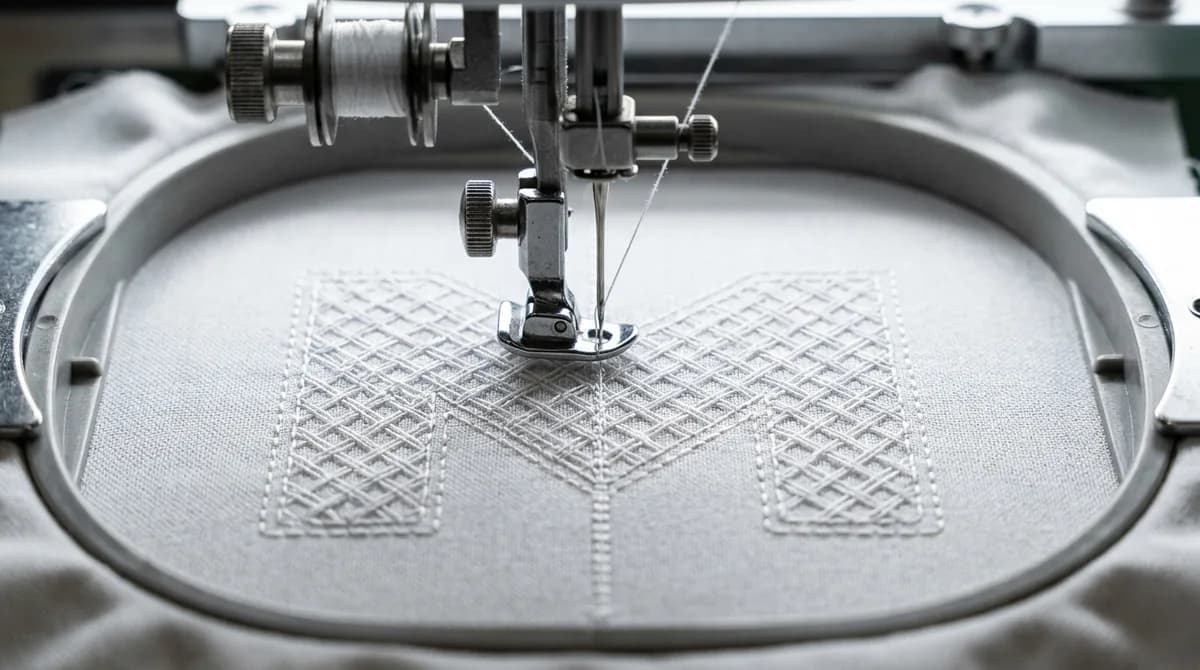
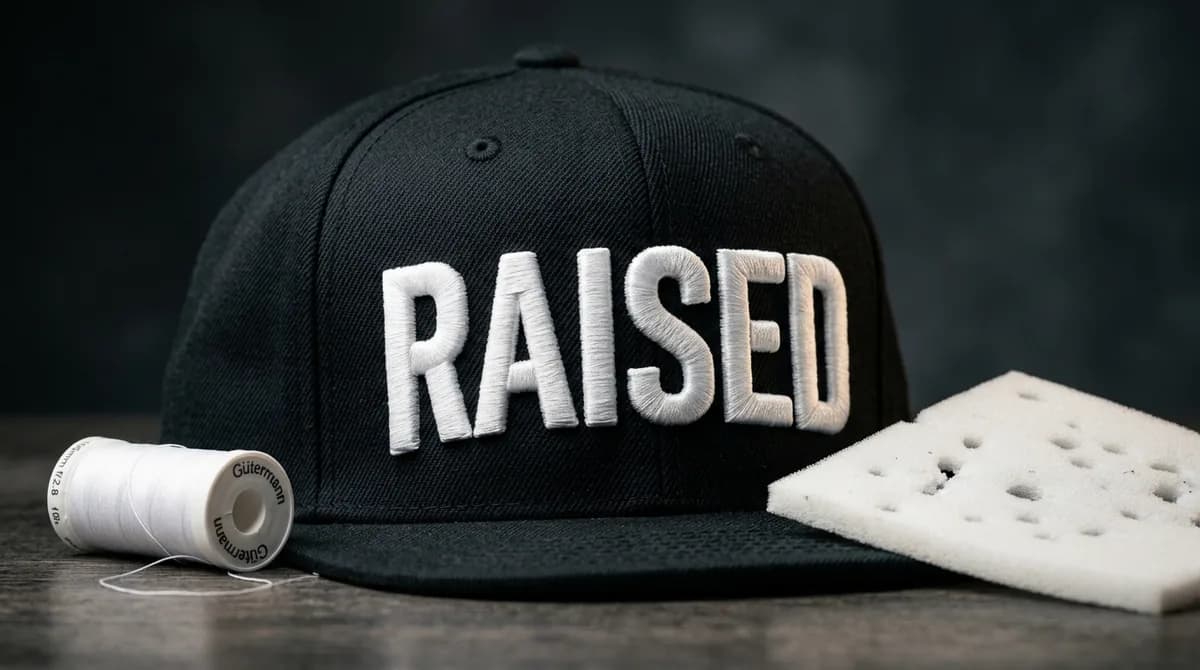
In machine embroidery, underlay is like the concrete foundation of a skyscraper. You never see it in the finished product, but without it, the entire structure collapses. Underlay stitches are sewn before top stitches to bind the garment fabric firmly to the stabilizer backing, control fabric stretch, and give top satin and tatami stitches a raised, luxurious sheen.
The 4 Primary Types of Embroidery Underlay
Different shapes, column widths, and fabric textures require specific underlay configurations:
1. Center Walk / Center Run
A single line of running stitches down the exact center line of a satin column. It provides a baseline anchor without adding bulk.
- Best For: Small lettering (under 6mm height), narrow borders, and thin flourish lines.
- Margin of Safety: Zero risk of needle penetrations poking outside the top satin border.
2. Edge Walk / Contour Underlay
Two parallel running stitch lines placed just inside the left and right perimeters of a satin column. It creates a defined rail that raises the top satin stitches and gives letters razor-sharp edges.
- Best For: Medium-to-wide satin columns (2.5mm to 8mm) and cap front lettering.
- Offset Rule: Keep the edge walk inset by 0.3mm to 0.5mm from the true edge so top stitches completely encapsulate it.
3. Zigzag Underlay
An open, loose zig-zag stitch that runs beneath satin columns, often combined with an edge walk (German underlay). It adds maximum physical loft and dimension.
- Best For: Thick varsity block letters, badges, and designs on textured knitwear or fleece.
- Stitch Angle: Set perpendicular to the top satin layer to maximize support.
4. Tatami Grid (Lattice / Double Fill) Underlay
A criss-cross grid of open running stitches laid at opposing 45-degree angles beneath large solid fill areas.
- Best For: Large shields, backgrounds, jacket back fills, and stretchy performance polyester.
- Function: Neutralizes horizontal and vertical fabric stretch, completely preventing fabric puckering.
Master-Crafted Digitizing Files with Perfect Foundations
At Velora Digitizing, our master digitizers customize underlay parameters individually for your specific fabric type. Check out our embroidery digitizing services or upload your artwork on our contact page for guaranteed production quality.
Related service
Embroidery Digitizing Services