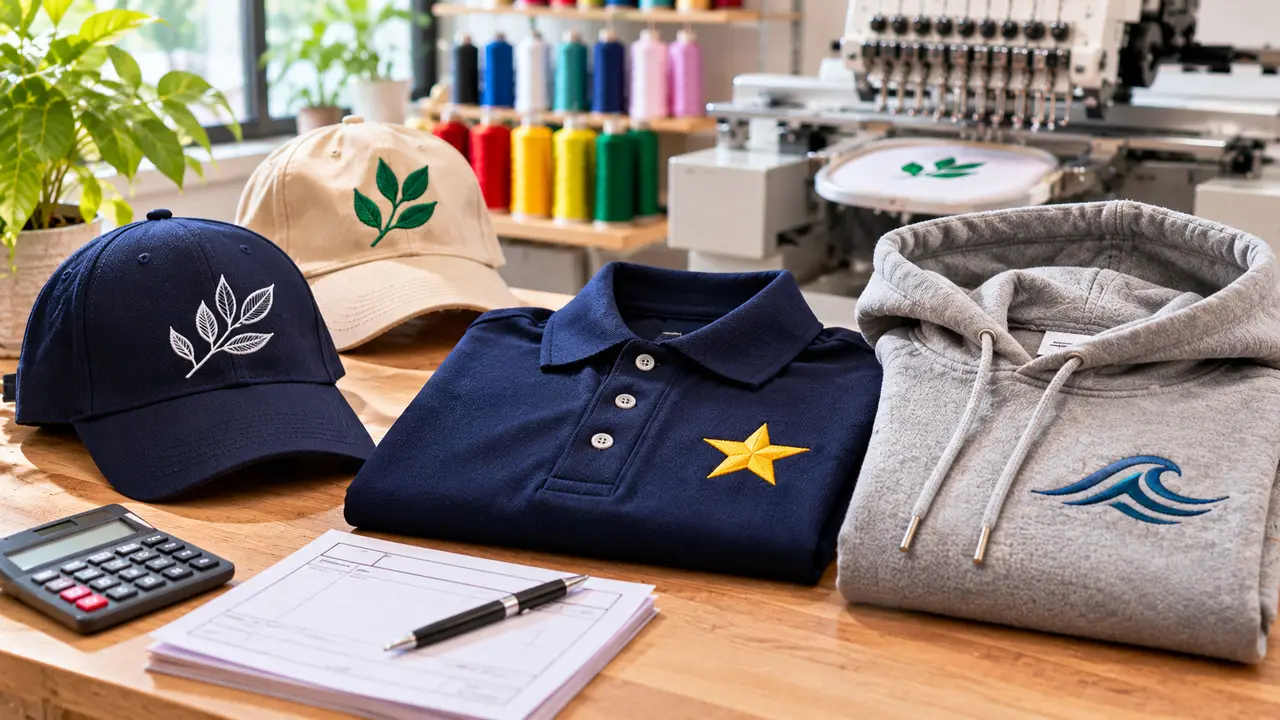
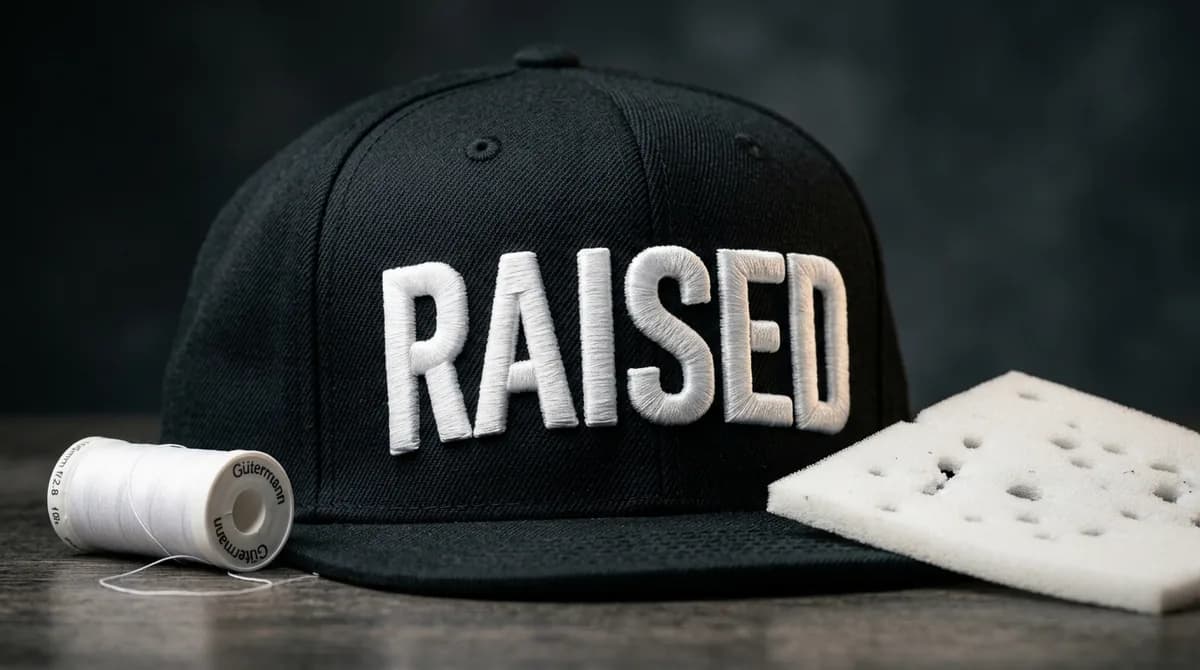
3D Puff Embroidery Digitizing: Settings, Foam and Cap Sequencing Guide
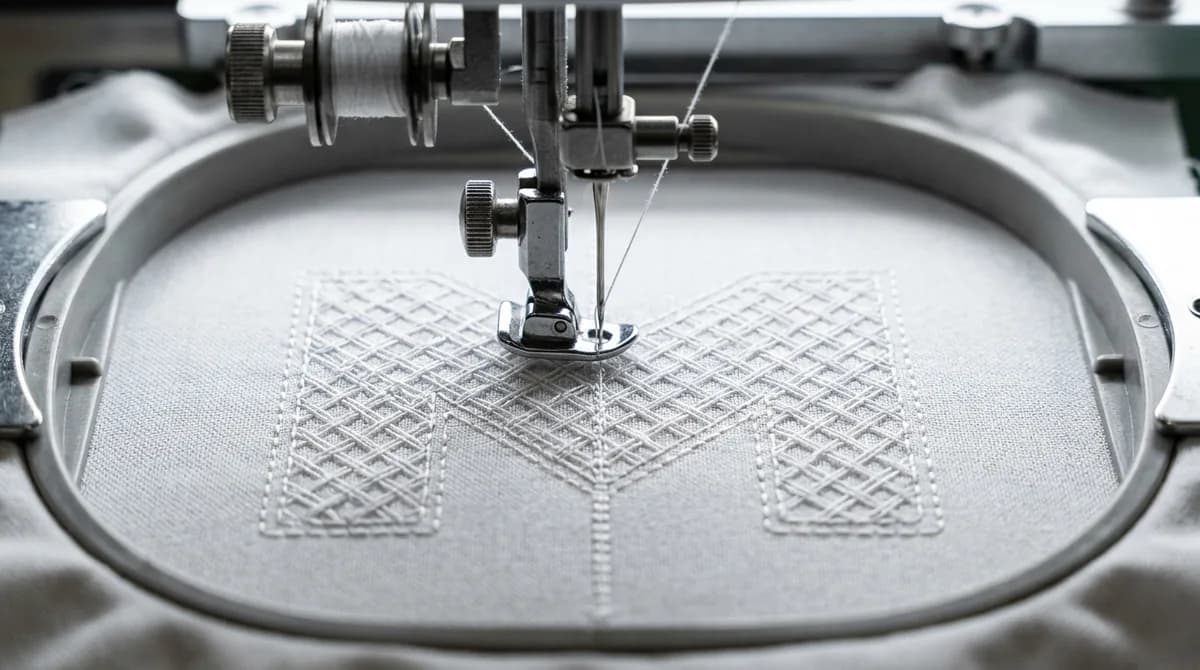
The exact 3D puff digitizing rules: satin-only columns, 0.16-0.20 mm spacing, a single centre run instead of underlay, end caps, foam thickness and centre-out cap sequencing.
Learn From Our Digitizers
Straightforward articles on digitizing, file formats, 3D puff, patches and artwork preparation, written by the people who sew out every file we deliver.
File Formats
DST, PES, JEF explained
3D Puff
Cap digitizing rules
Patches
Types, backings & costs
Artwork Tips
Prepare logos for thread
Latest Articles
Everything we wish our customers knew before sending their first logo. New guides are added regularly.

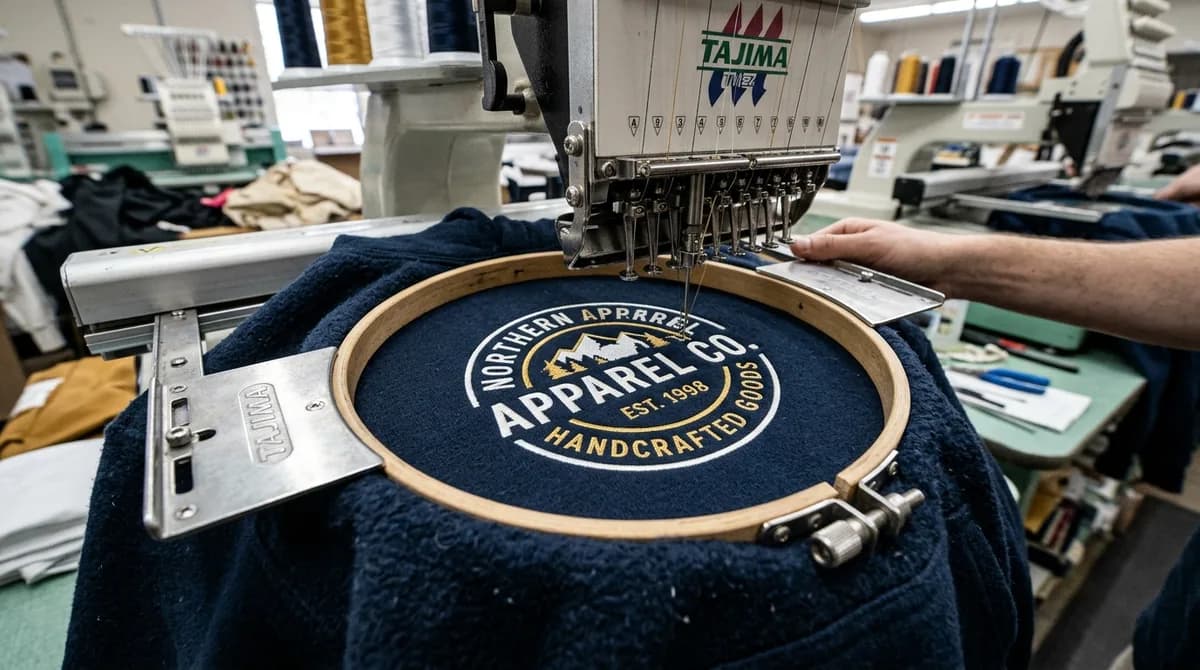
The exact 3D puff digitizing rules: satin-only columns, 0.16-0.20 mm spacing, a single centre run instead of underlay, end caps, foam thickness and centre-out cap sequencing.
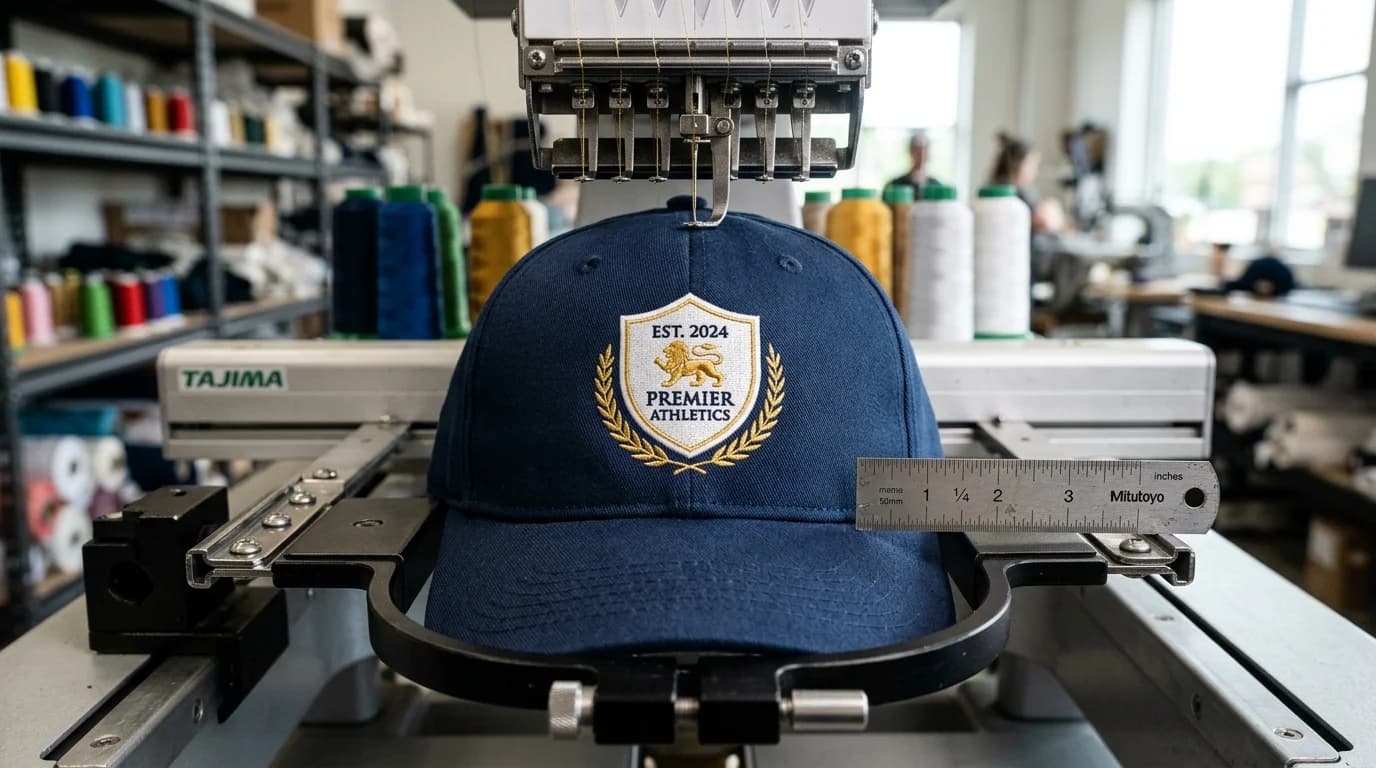
The applique digitizing sequence explained: placement line, fabric stop, tackdown, trim and cover border, with width tables, reverse and puff applique, in-hoop vs pre-cut and software options.

Ten US-facing embroidery digitizing companies compared side by side on published prices, turnaround, revision policy and proof, with the method shown and our own place in the list disclosed.

A cap is the hardest common garment to embroider. Learn the logo size limits for each cap type, the center-out stitch order, and the settings that keep hat embroidery sharp.

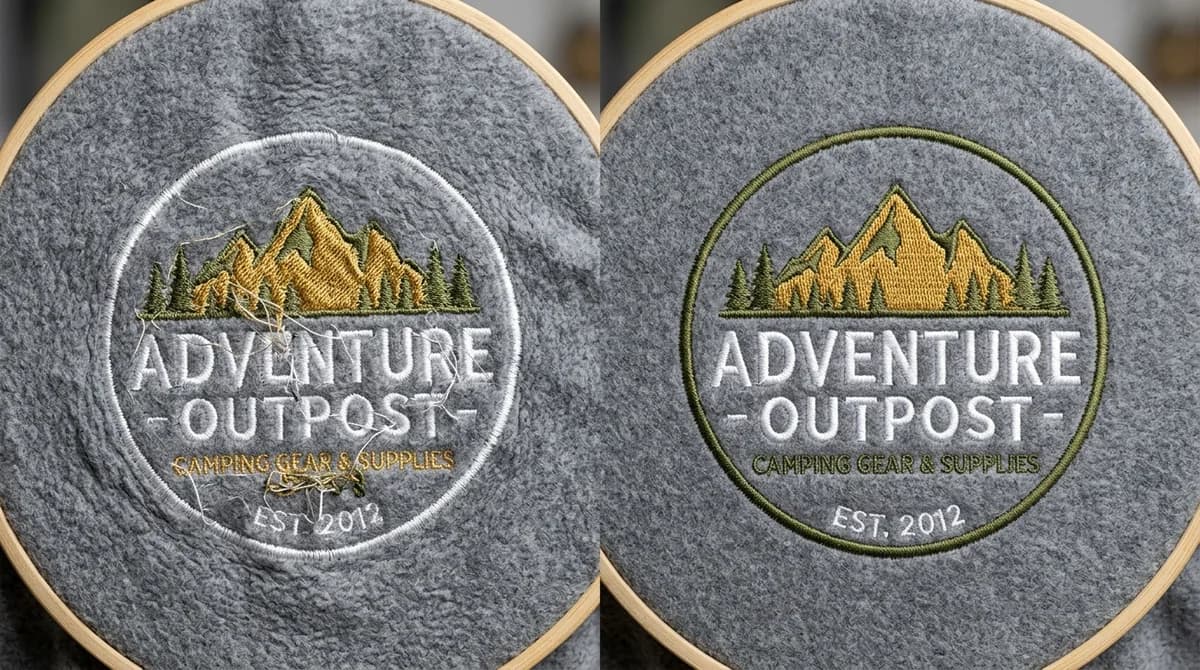
Gaps between outlines and fills, puckering, thread breaks and lumpy patches usually trace back to a handful of digitizing mistakes. Here is how to recognize each one and what the fix is.

Can you convert a JPG or PNG image to a DST file for free? Discover the true process of digitizing raster images into production stitch files.

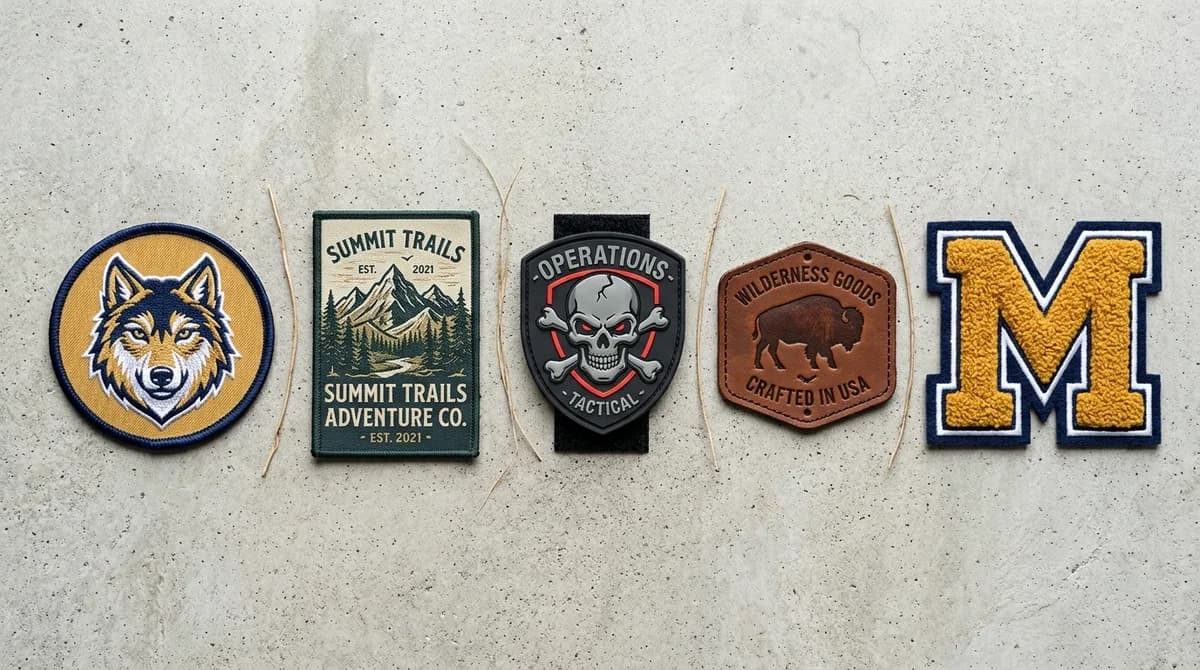
Embroidered, woven or PVC? Compare how each patch is made, how much detail it holds, how it wears outdoors and when leather or chenille is the better pick.

Illustrator prepares the vector; it does not make the stitch file. Here is the full workflow: clean the logo, export it, then convert it with software, an Illustrator plugin, free Ink/Stitch, or a digitizer.

A brand-by-brand chart of embroidery file formats, plus how DST, PES, JEF, EXP and VP3 differ and which one to order.

Cutaway for anything that stretches or gets worn, tearaway for stable wovens and caps, wash-away for lace and as a topper. The fabric chart, weights and trimming rules in one place.

Real 2026 digitizing prices: $10-$30 for a chest or cap logo, $30-$100 for a jacket back, $1-$3 per 1,000 stitches. See a provider price table, a worked example and the fees that catch shops out.

Underlay is the invisible foundation of every great embroidery file. Learn the specific use cases for Center Walk, Edge Run, Zig-Zag, and Tatami grids.

Ripples around a finished logo almost always come from hooping, stabilizer, density or tension. Here is how to find the cause and fix it, plus a checklist for thread breaks.

Estimate stitch count in seconds with our free calculator, check the placement chart, then see what the count means for digitizing and production pricing.
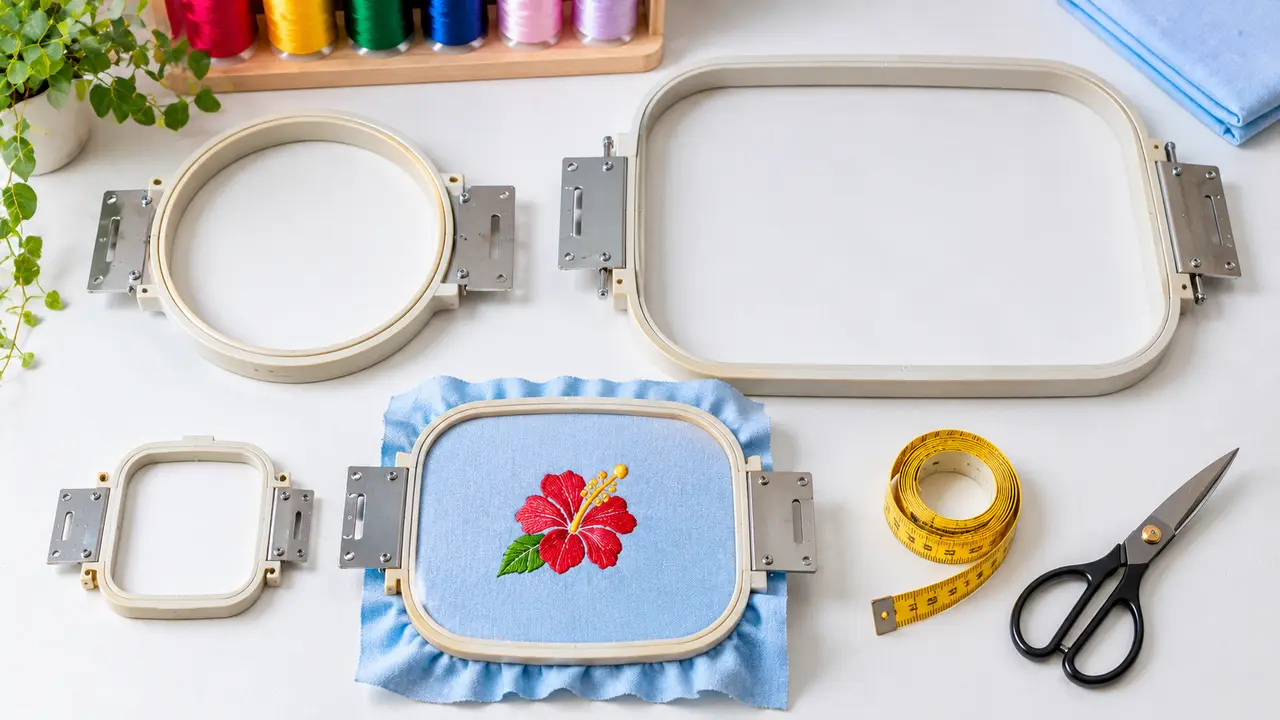
Before a logo can be digitized it needs the right file, a real size and details that thread can hold. Here is what to send your embroiderer and how to fix artwork that will not stitch well.

Jacket backs are the biggest embroidery jobs most shops run. Here is the standard size, how stitch count scales with coverage, which hoop to use and how to keep the panel flat.

Exact left chest placement numbers for polos, tees, sweatshirts, jackets and youth sizes, a step-by-step marking method, a printable template and the digitizing settings that follow.

Auto digitizing is fast and cheap; manual digitizing gives control over underlay, angles and pull compensation. Here is what changes in the file and when each one is the right call.

The same logo needs different prep for print and for thread. Compare line widths, text sizes, colors, gradients and file deliverables, with a checklist for both.

Embroidery machines cannot sew a standard JPG or vector PNG. Digitizing transforms artwork into precise needle paths, density coordinates, and trim commands.

Wilcom, Hatch or Brother PE-Design? Prices, platforms, auto-digitizing quality and learning curves compared, plus Embroidery Legacy, Ember, Ink/Stitch and more.

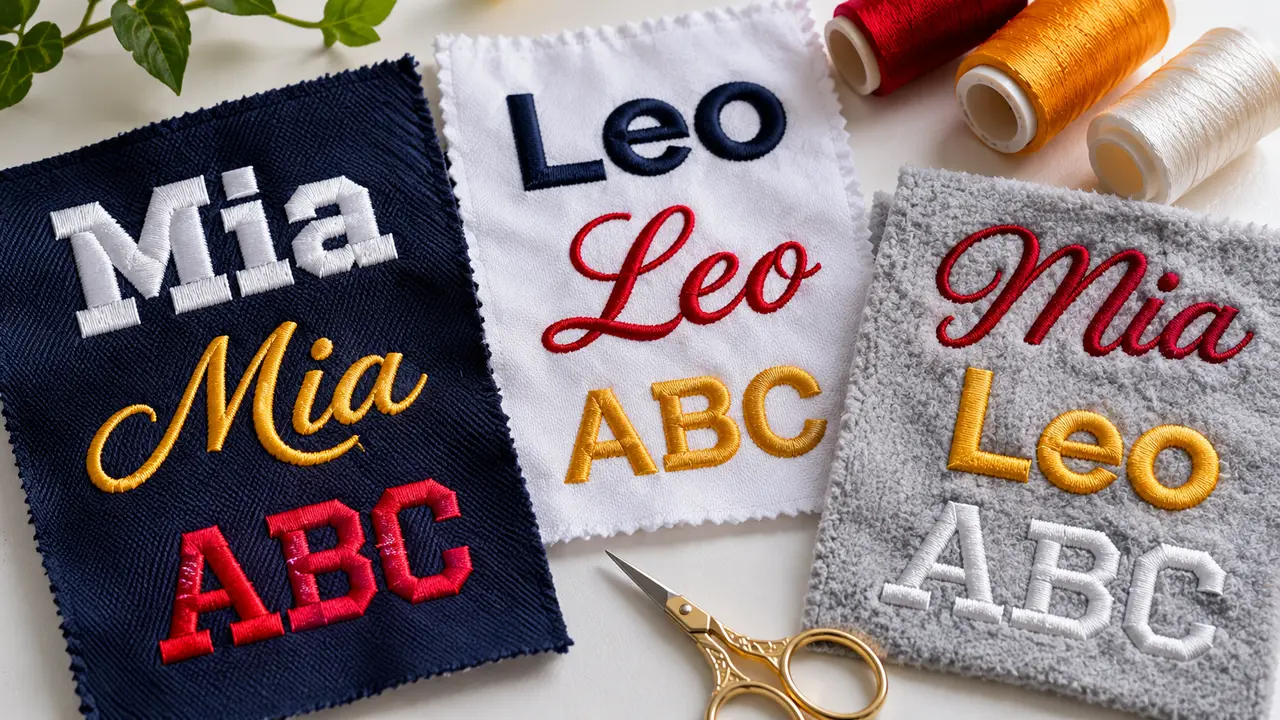
Lettering settings that stitch clean: stitch type by letter height, density and pull compensation, script joins, and how to keep small text readable.

Stitching on towels, fleece, or sherpa? Discover how knockdown stitches tamp down fluffy pile so monograms and logos sew crisp without sinking into terry loops.

Want to digitize a logo for embroidery without paying for software? Ink/Stitch is the real free route. Here is the step-by-step, what it does well, where it fails, and the other free tools.

Chenille patches use loop yarn, not regular thread. Learn how moss and chain stitches are digitized, what sizes work on varsity jackets and how to get a chenille look on a standard machine.

Step-by-step hoodie embroidery on a single- or multi-needle machine, plus the fleece digitizing settings, stabilizer and placement that keep chest logos flat and crisp.

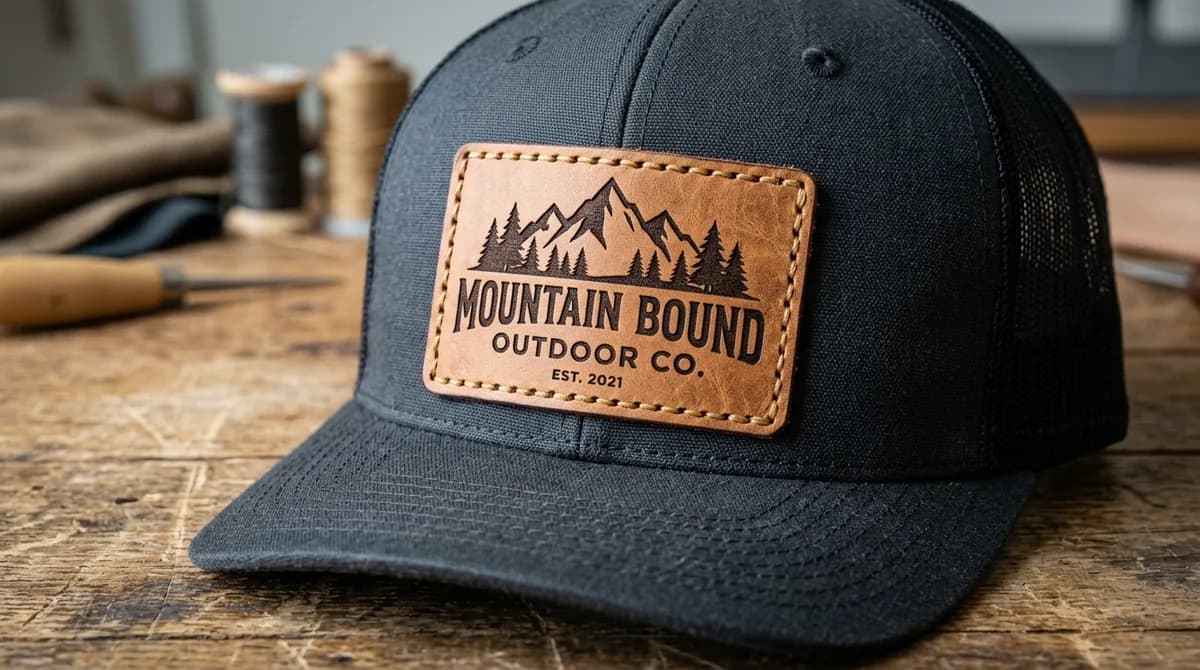
Leather patch hats are simple to make once the settings are right. Here are heat press settings, patch sizes for common caps, material choices and how to prepare laser-ready artwork.

Outsourcing turns digitizing into a per-design cost; in-house means software, training and time. Here is how the numbers work at different volumes and how to choose a digitizing partner.

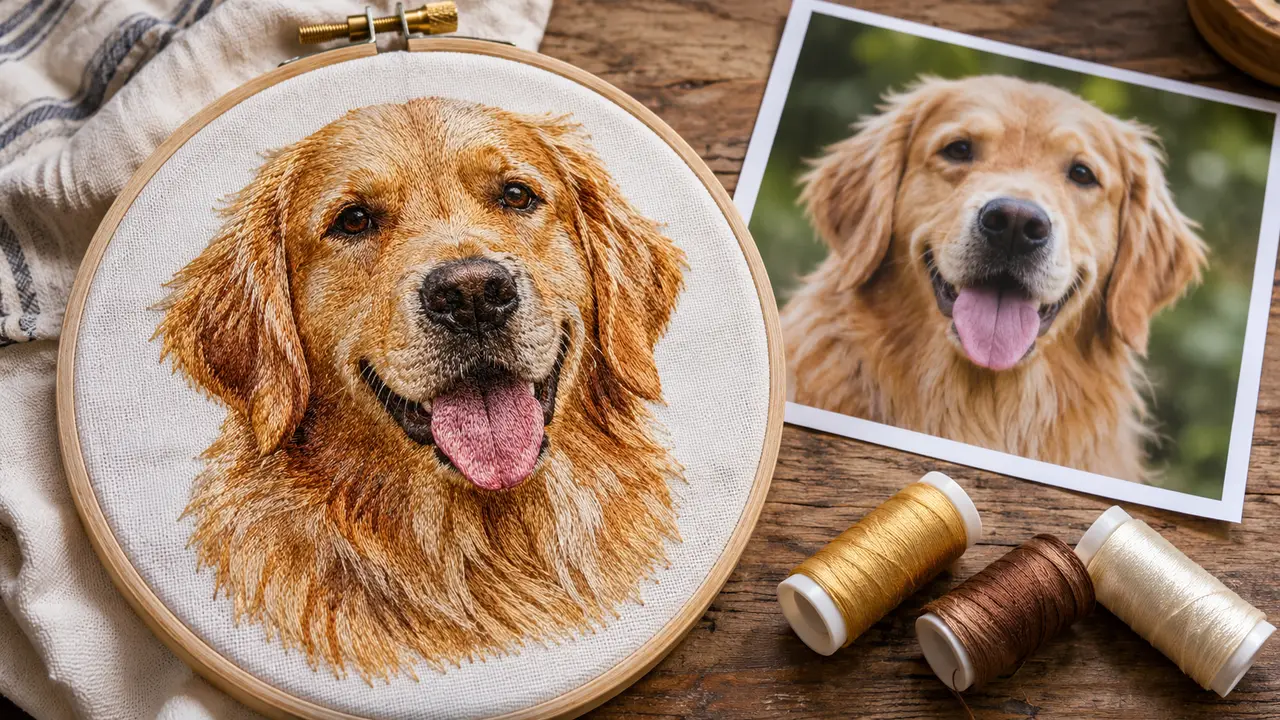
Digitizing a photo for embroidery is not a file conversion. Here is the six-step workflow, a size guide, which pictures stitch well and why one-click converters disappoint.

Small names are where fonts fail first. Here are the font styles that stay readable at small sizes, the minimum letter heights to use, and what to pick for caps and towels.

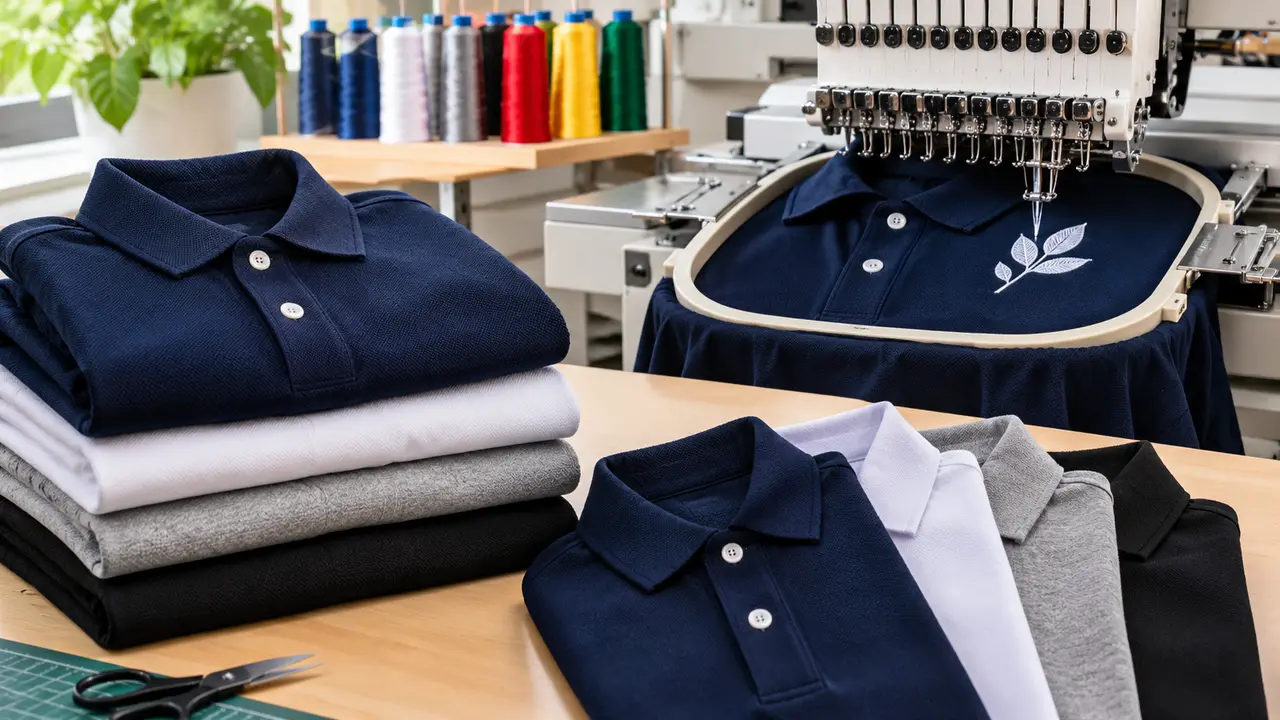
Pique cotton and dri-fit polyester both take embroidery, but they need different stabilizer, needles and files. Here is how they compare and what to look for in a polo blank.

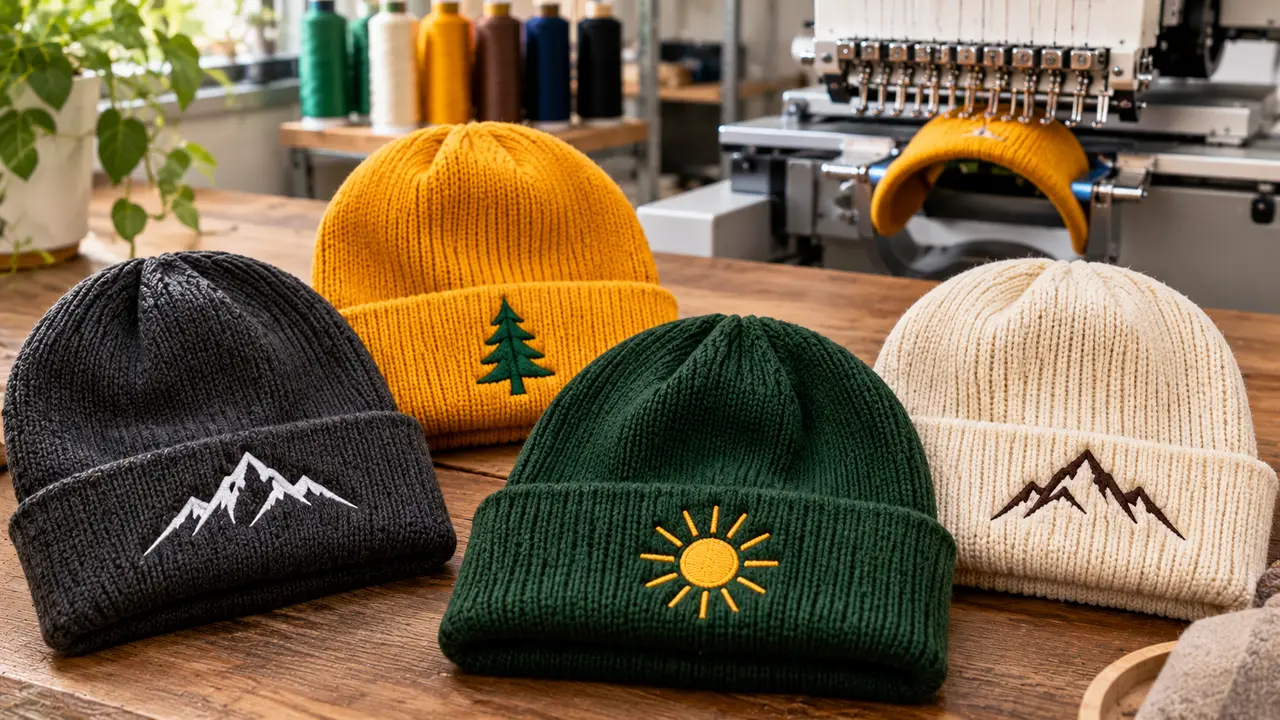
Ribbed knit swallows thin stitches and stretches in the hoop. Here is how to size, hoop and digitize logos so embroidered beanies come out crisp.

A DST file is a stitch file, not an image, so normal photo viewers cannot open it. Here is how to view, check and convert DST files for free, and when you need the original artwork instead.

Embroidery is priced by stitch count, quantity and placement, plus a one-time digitizing fee. Here is how shops build their prices, with an example pricing chart.

40 wt is the embroidery standard and 60 wt is the fine thread for tiny text. Here is how they differ, which needle each needs and when a file has to be redone.

The right hoop keeps fabric tight and designs straight. Here is a machine embroidery hoop size chart, how to choose a hoop and why sewing field matters more than frame size.

The wrong needle causes skipped stitches, holes and thread breaks. Here is how to match embroidery machine needles to thread, fabric and design.

Single-needle machines suit hobby work; multi-needle machines are built for logos, caps and repeat orders. Here is how they compare, what they cost and which to buy.

A practical roadmap for starting an embroidery business from home: what to buy, what it costs, how to price jobs and how to win your first local customers.

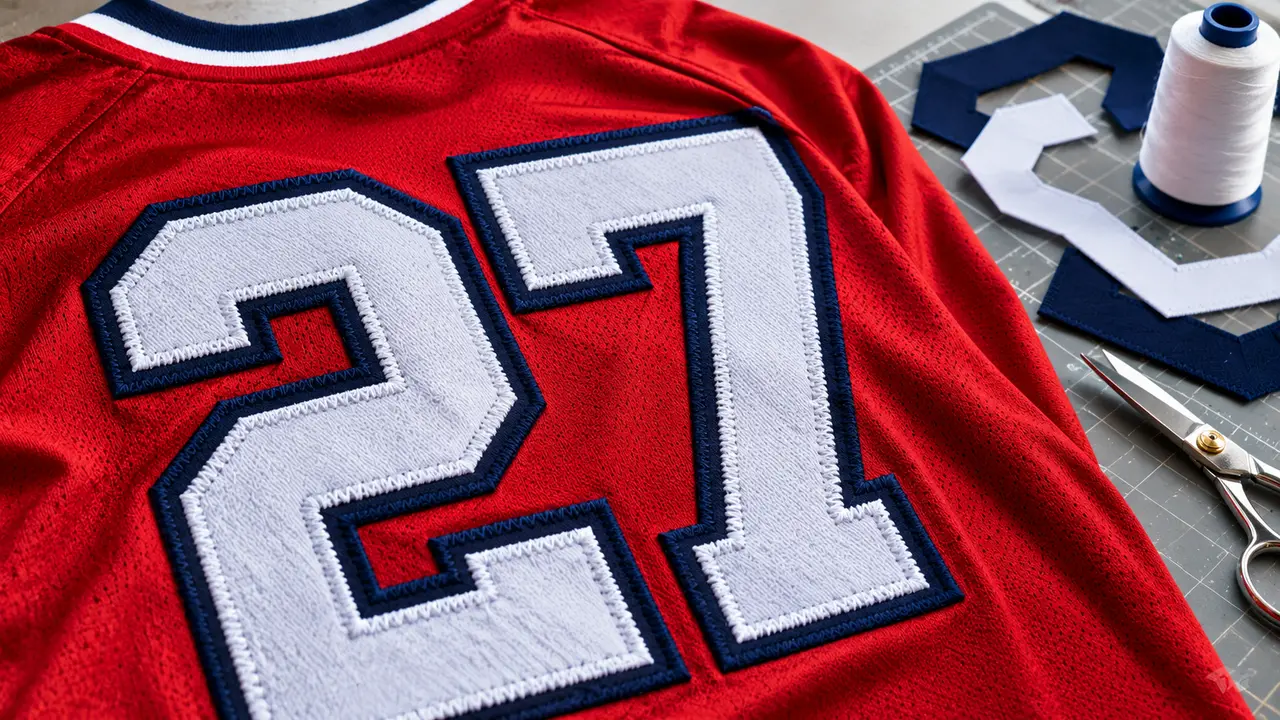
Tackle twill is the stitched fabric lettering on jerseys and varsity hoodies. Here is how it compares with embroidery, how it is made and when each is the better choice.

How wide can a satin stitch be? The machine column widths that stay crisp, the settings for each width, when to split or switch to fill, and how to sew satin stitch by hand.

Fill stitches cover large areas smoothly. Here are the best filling stitches for hand embroidery and how machine fills are set up with density, angles and underlay.

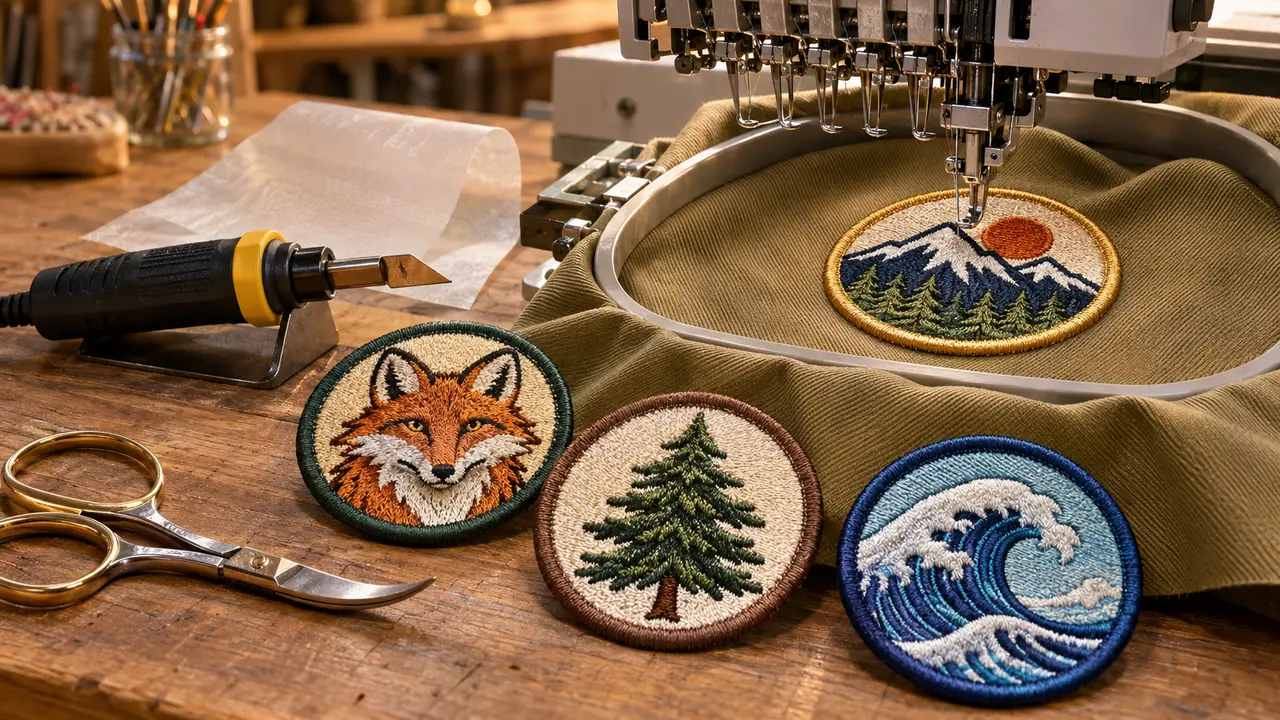
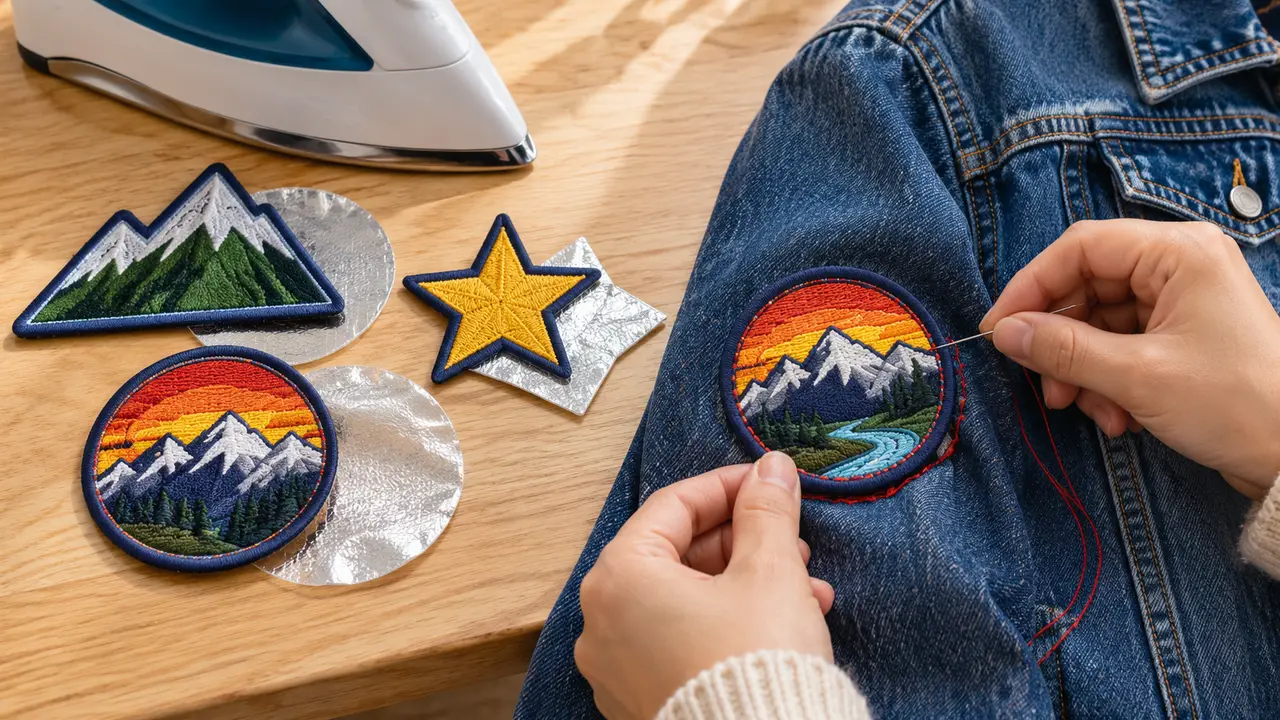
Making your own embroidered patches is easier than it looks. Here is the full process, from fabric and stabilizer to satin borders, hot-knife cutting and heat-seal backing.
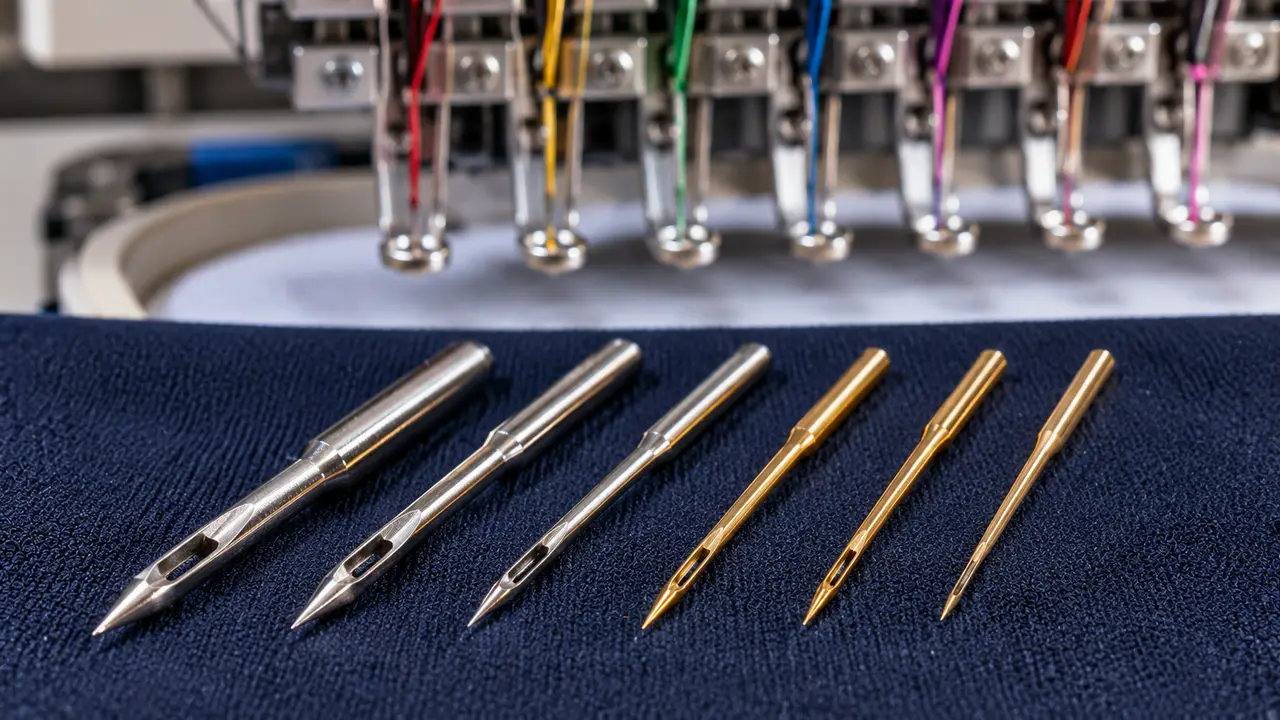
Thread or fabric? Compare embroidery and applique on stitch count, machine time, cost, detail, durability and digitizing, with a worked 6-inch example and a 30-second decision checklist.

The complete beginner tutorial for machine applique: what to buy, how to read an applique file, the stop-by-stop stitch sequence, trimming methods, fabric and stabilizer choices, and how to fix shifting fabric or a border that misses the edge.

Converting between machine formats is free and takes seconds. Converting a picture into stitches is digitizing. This guide compares the free tools for both and shows what to check before you sew a converted file.
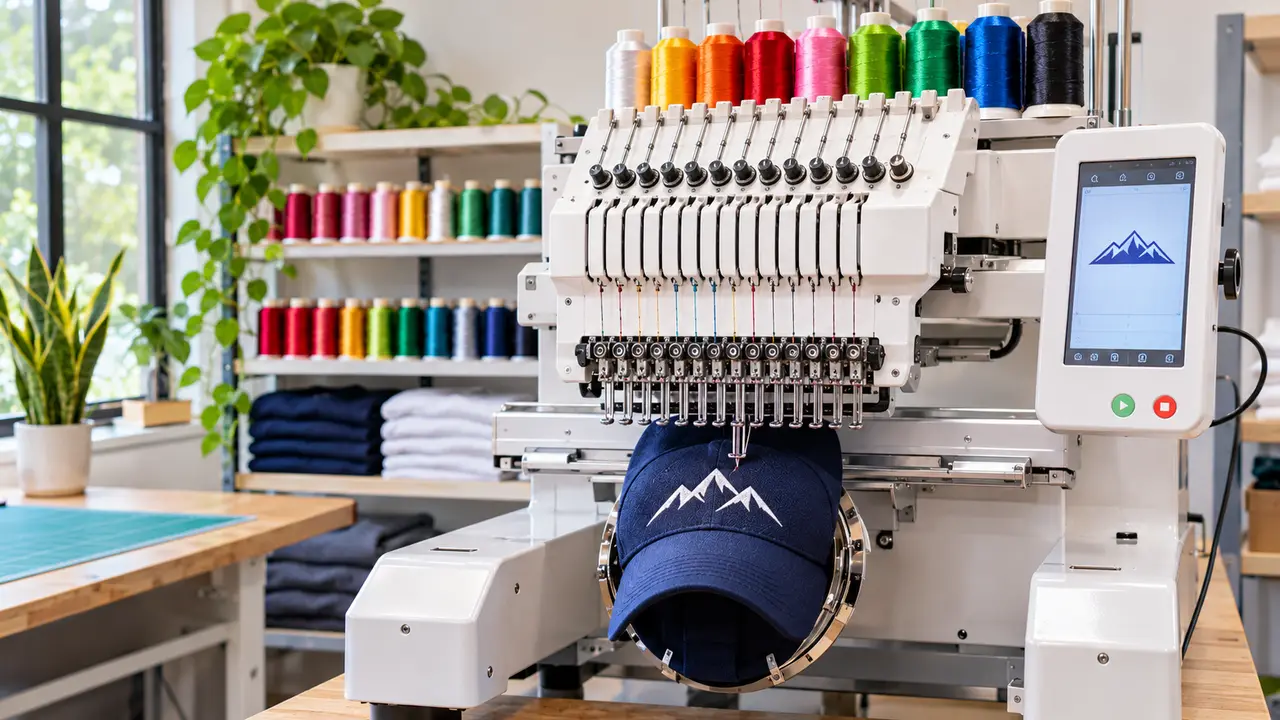
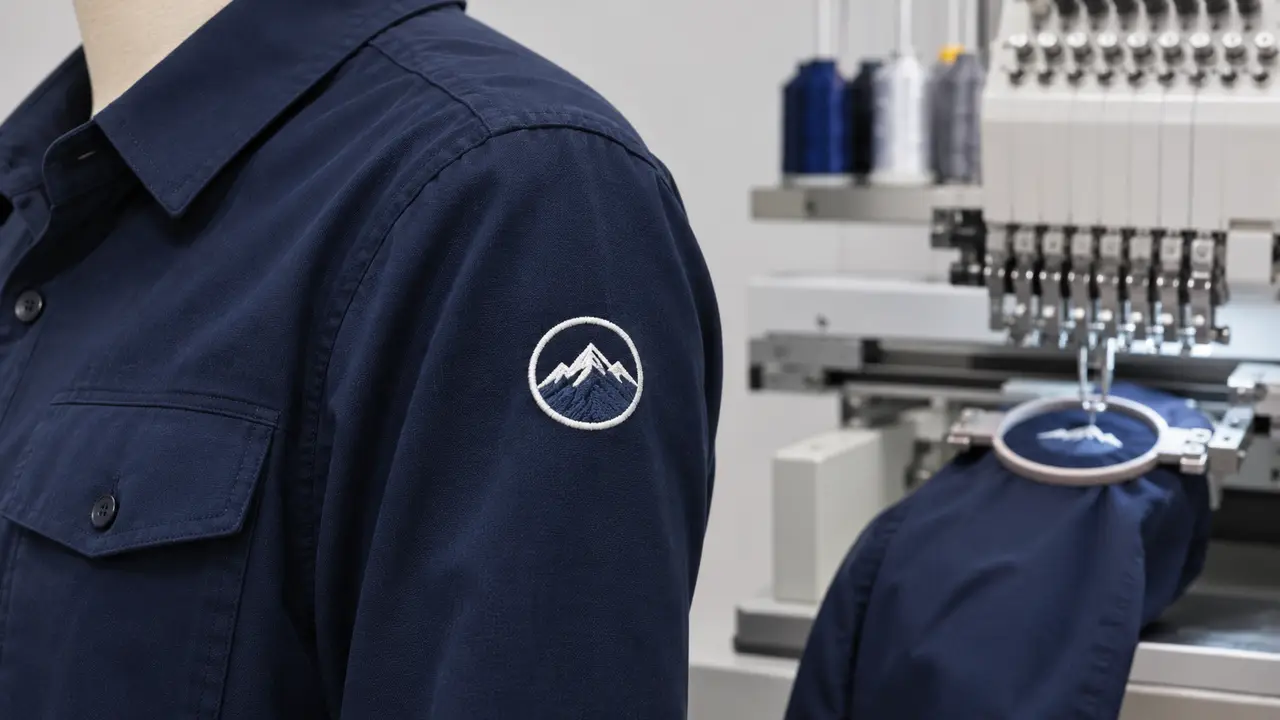
Sleeve logos add a premium touch to uniforms and merch. Here is where to place them, how big to make them and how to hoop narrow sleeves without stitching them shut.

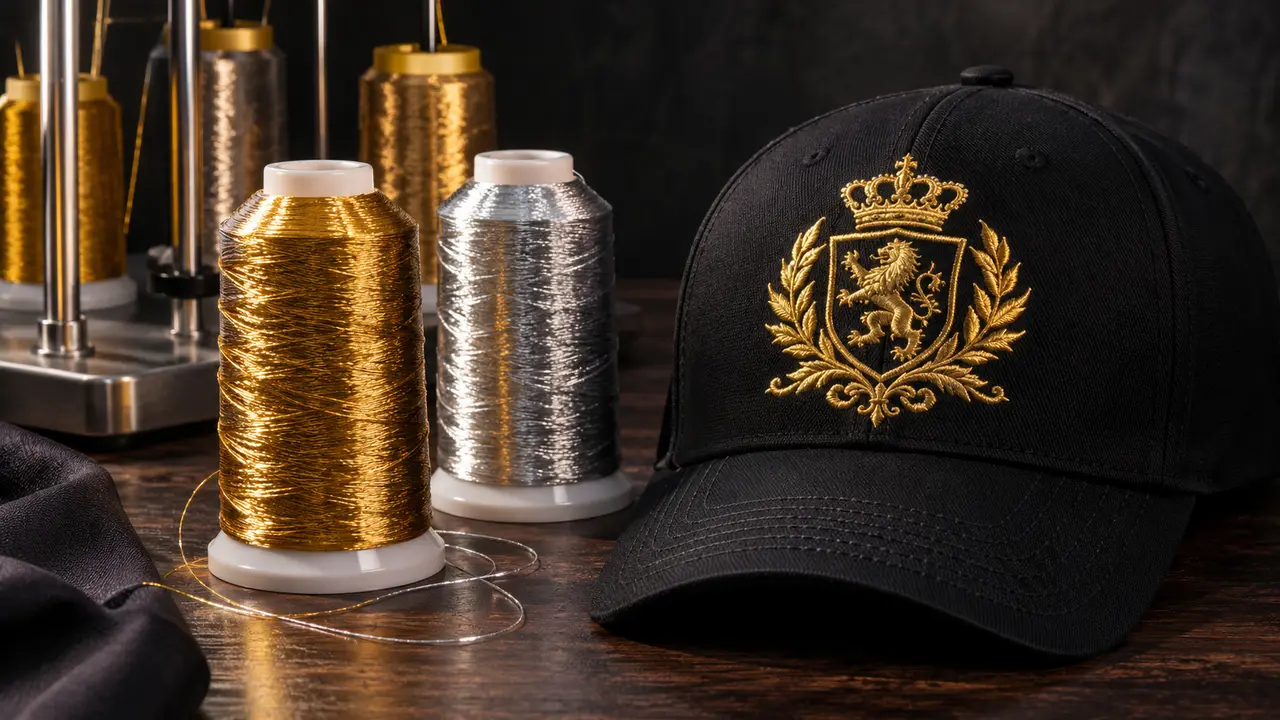
Metallic thread adds shine, but it breaks and shreds easily. Here is why it keeps breaking and the needle, tension, speed and digitizing setup that stops it.

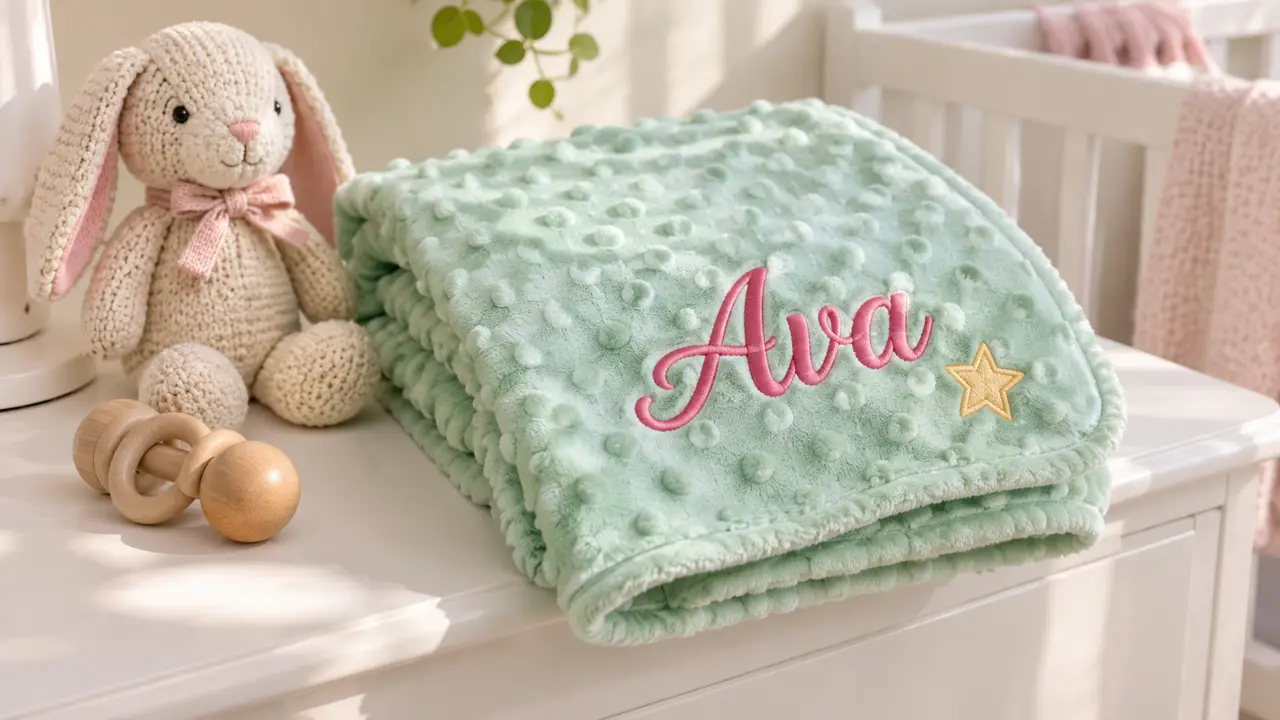
Personalized baby blankets are a top-selling gift. Here is how to place, size and stitch names on minky, fleece and cotton so they look crisp and stay soft.

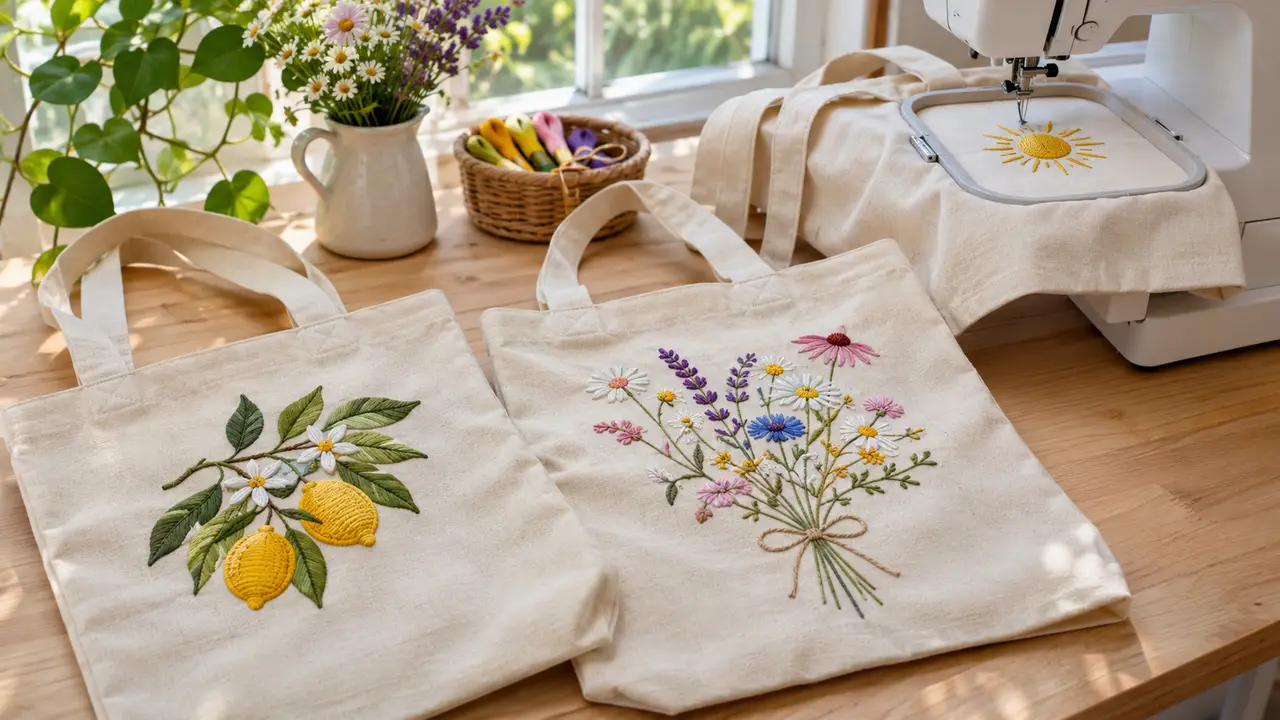
Embroidered tote bags are easy to sell and fun to make. Here is how to choose the bag, size the design, hoop a single layer and stitch canvas cleanly.

Iron-on patches are quick; sew-on patches last. Here is how the two backings compare and how to choose the right one for your garment and order.

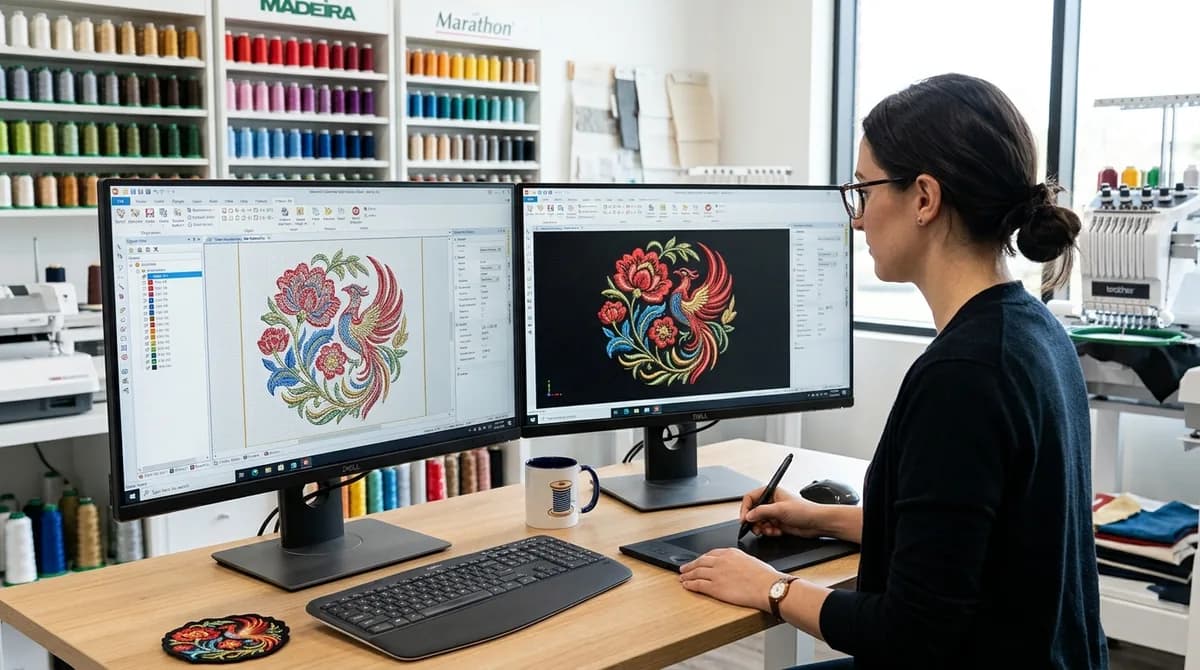
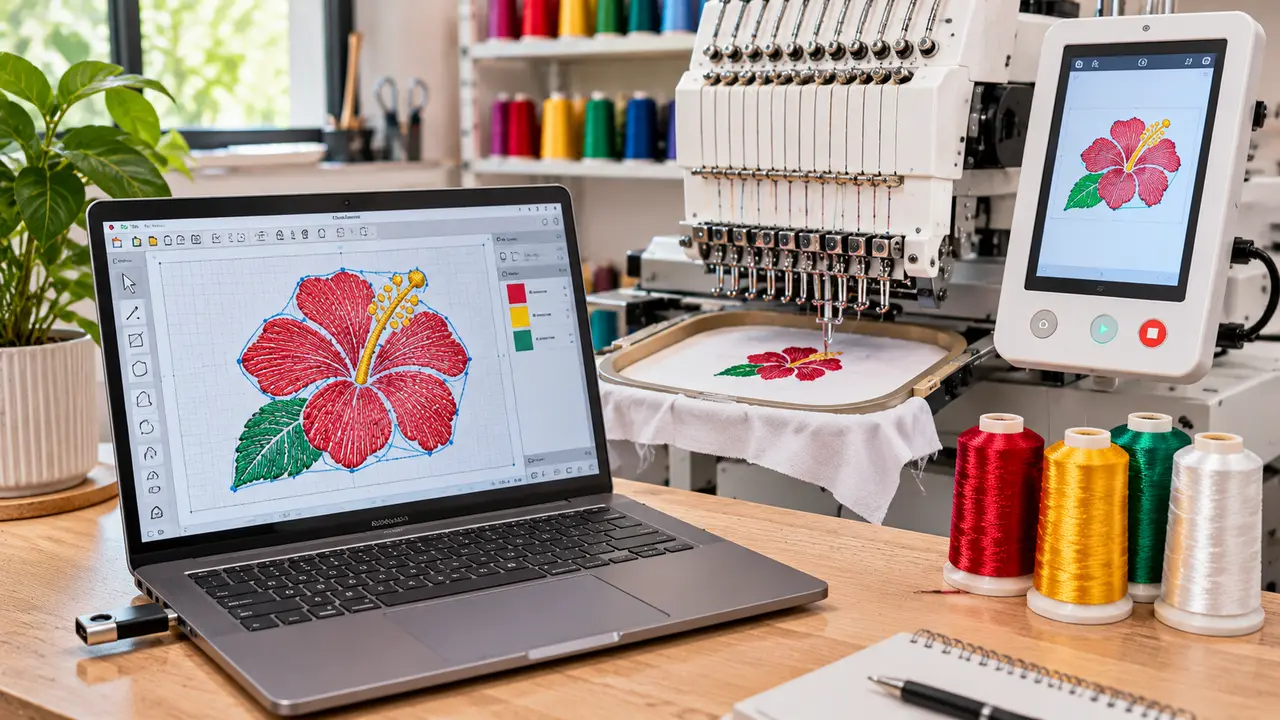
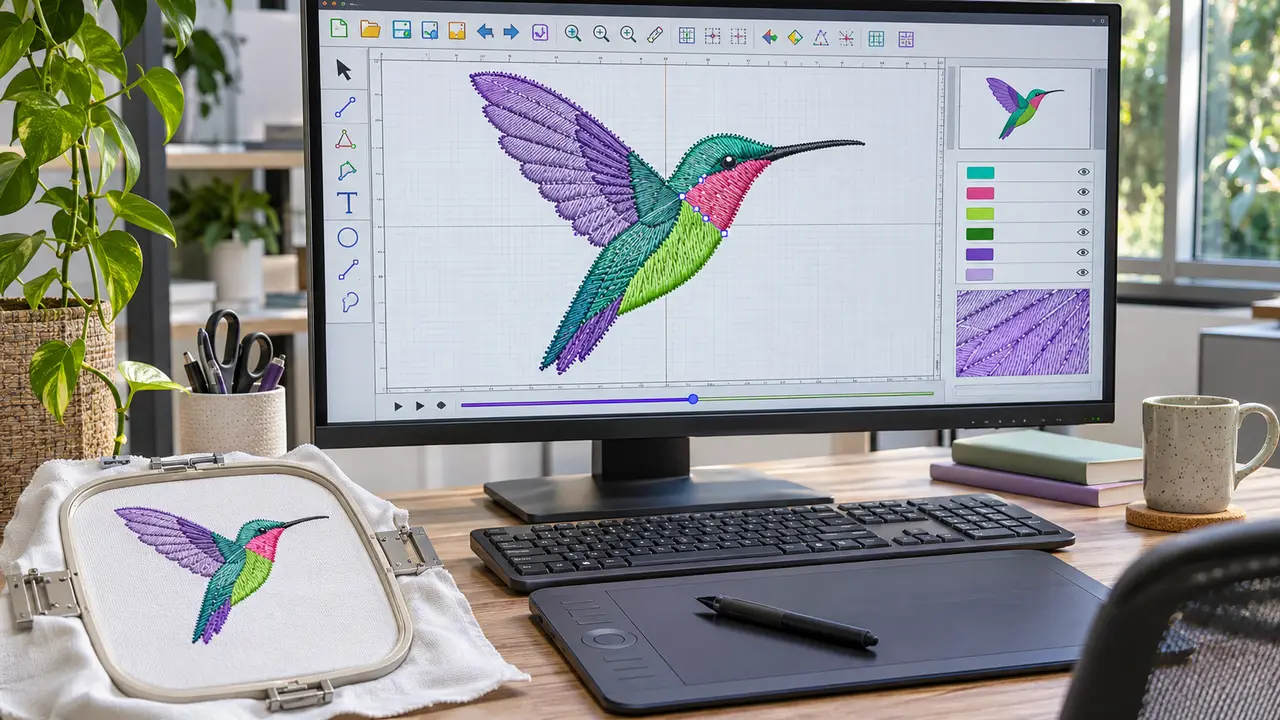
Digitizing a logo for embroidery means redrawing it as stitches a machine can sew. Here is the full seven-step workflow with starting settings, plus the mistakes that ruin first designs.

Flat embroidery sews thread straight onto the fabric; 3D puff sews dense satin over foam for a raised look. Here is how they differ in detail, garments, file setup and cost.

Brother and Baby Lock machines read PES files. Here is what PES is, which versions to use, how to transfer designs and what to do when your machine will not open a file.

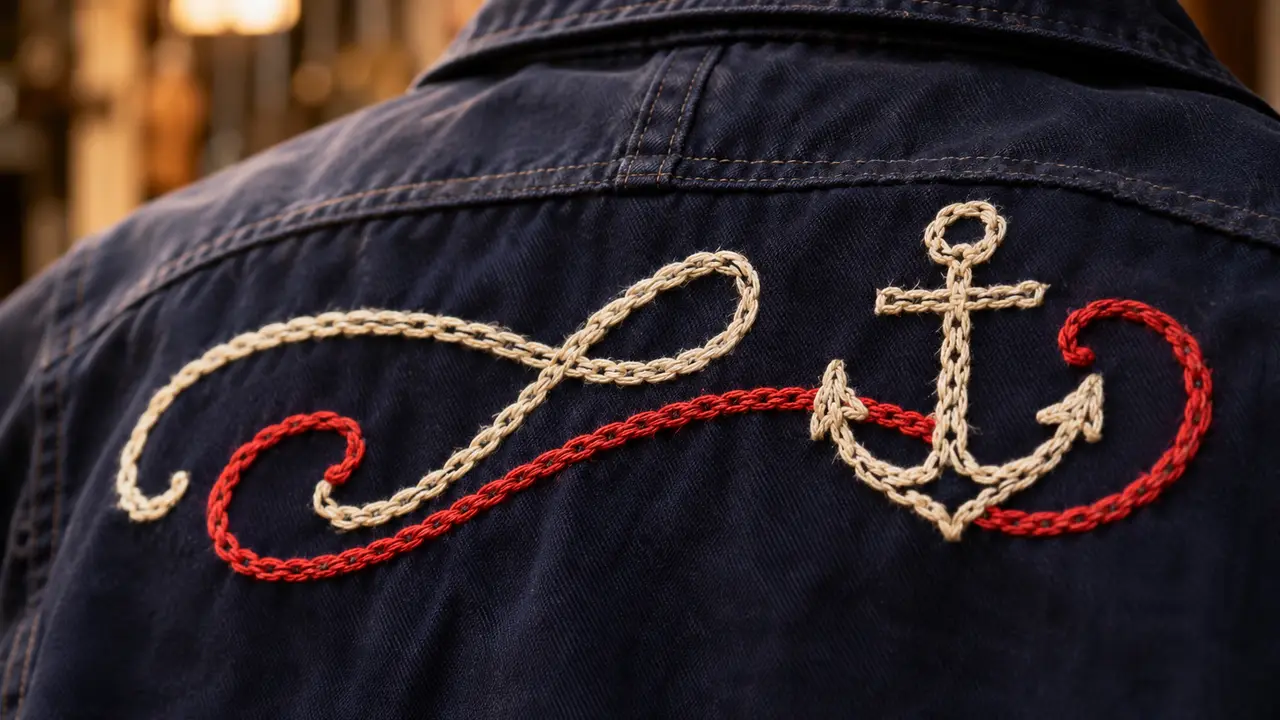
Chain stitch makes the looped vintage lettering on workwear and varsity jackets. Here is how it differs from regular machine embroidery, and how to sew it by hand.

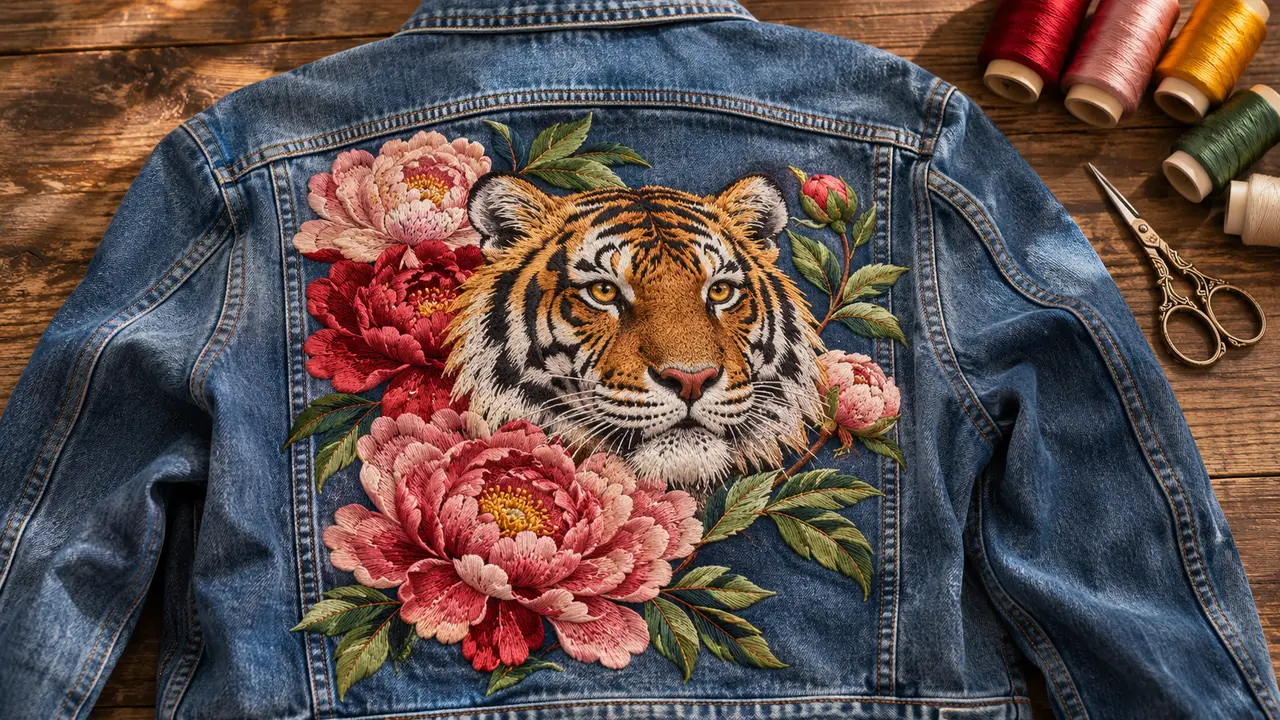
Embroidered denim jackets are a classic custom piece. Here is how to plan the design, hoop around seams and stitch heavy denim cleanly.

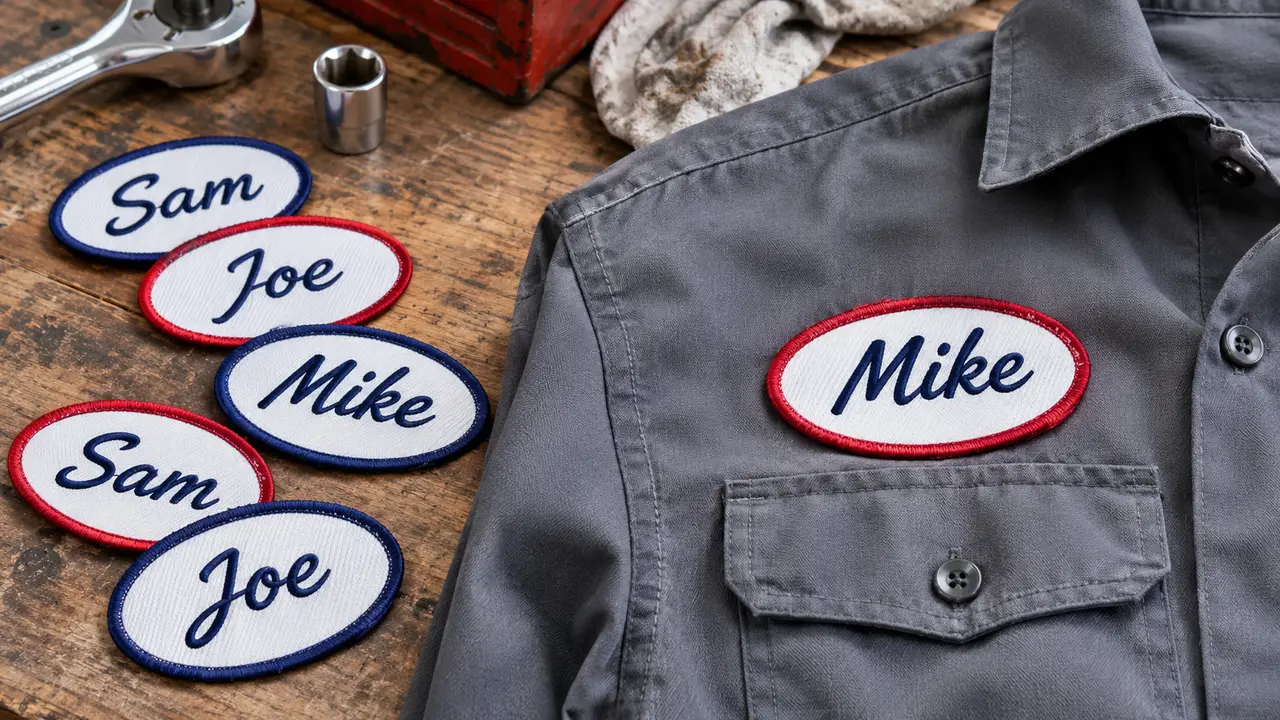
Most name patches are about 3.5 x 2 inches, but the right size depends on the shirt and the longest name. Sizes, letter counts, fonts and backings in one place.

Balanced tension makes embroidery smooth on top and neat underneath. Here is how to test it with the one-third rule and fix the most common tension problems.

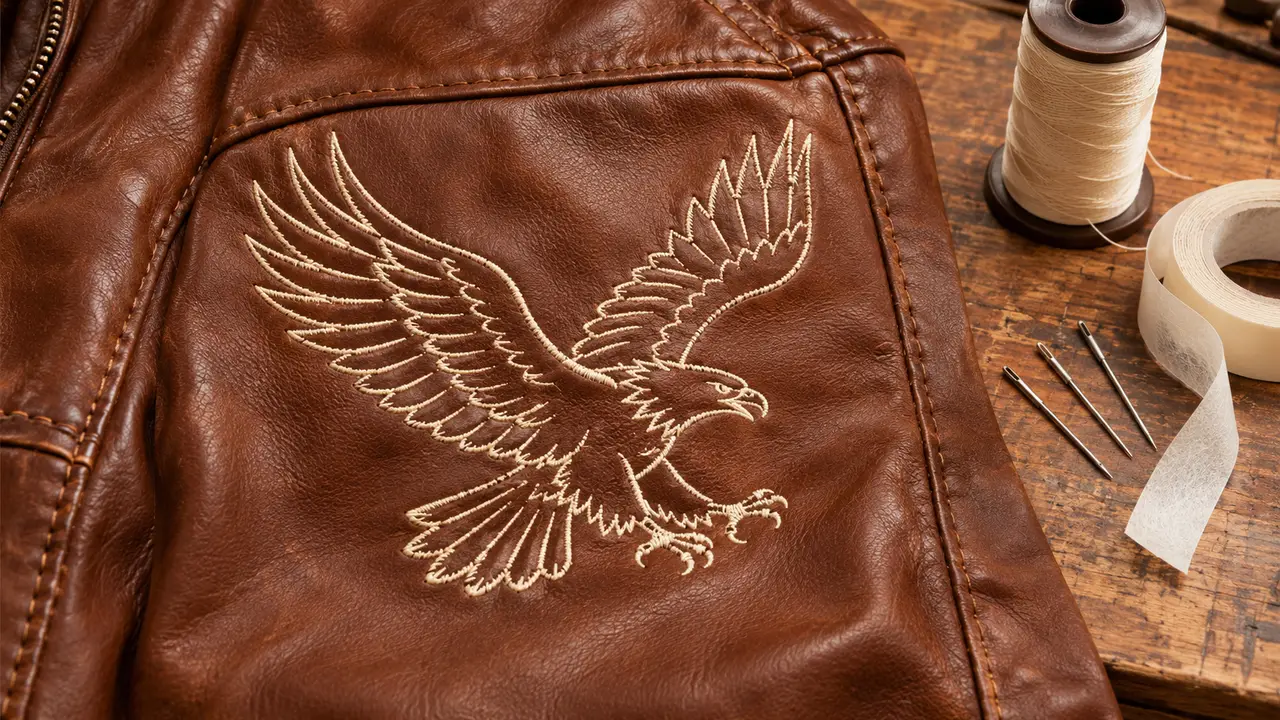
Leather can be embroidered beautifully, but every needle hole is permanent. Here is how to choose designs, needles, backing and settings for clean leather embroidery.

Embroidery costs more per piece on big T-shirt runs but often less on small orders of polos and caps. Here is how the cost changes with quantity, and which method suits work uniforms.

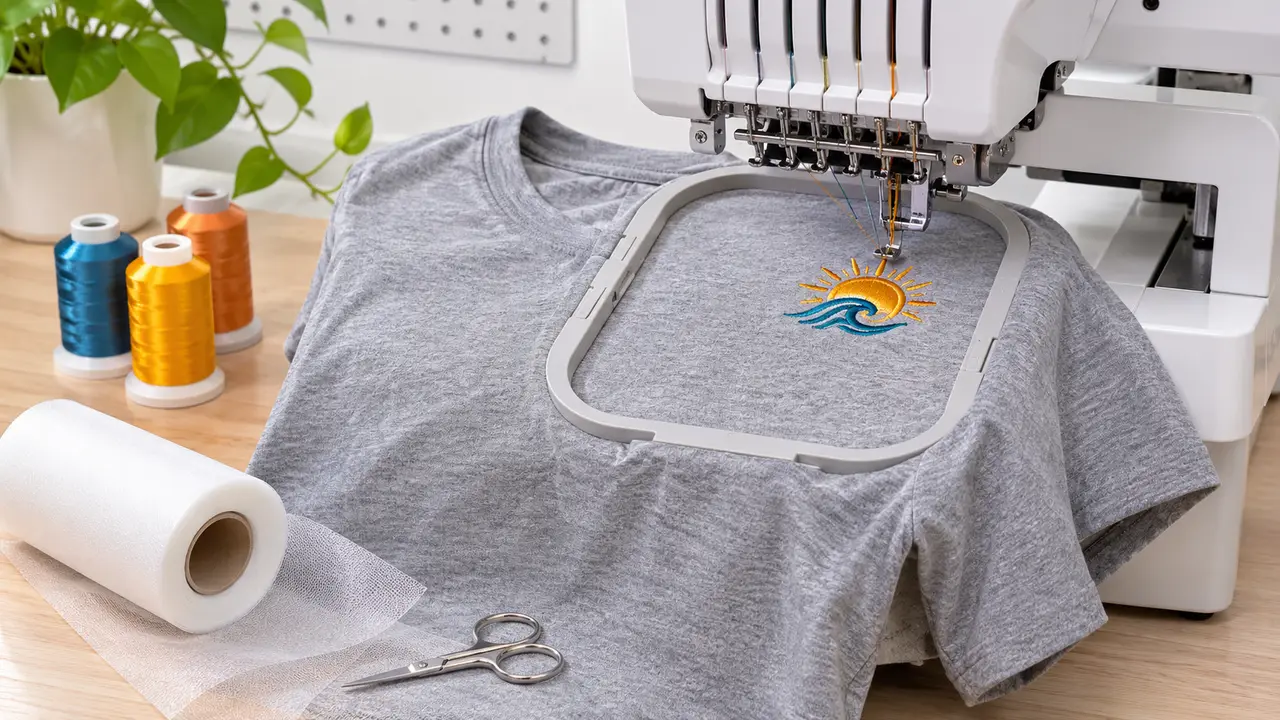
T-shirts stretch, so embroidery on them needs the right backing and design. Here is how to embroider a shirt cleanly, whether you use a machine or a needle and floss.

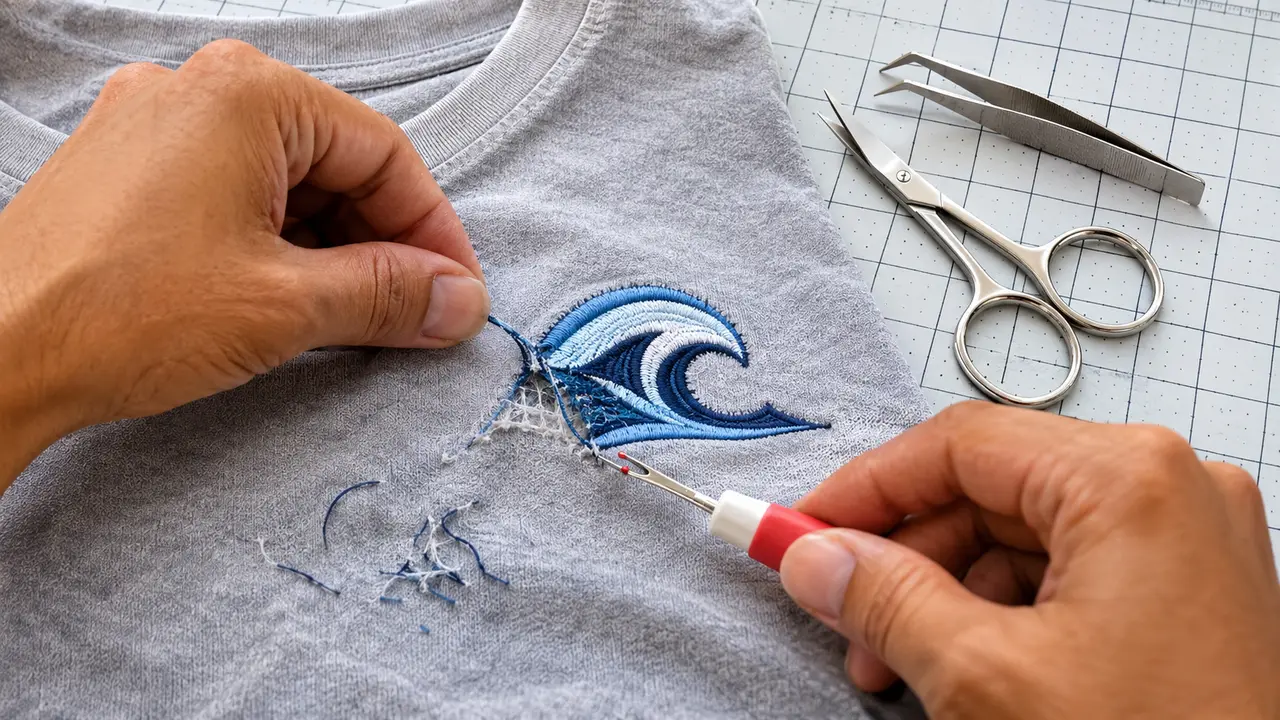
Removing an old logo takes patience and the right tools. Here is the safest way to take embroidery off shirts and jackets, and what to do about the holes it leaves.

The 10-20% rule, why DST and PES files distort when scaled, how object files recalculate stitches, and a resize-or-re-digitize table for common size changes like left chest to cap or jacket back.

Jump stitches explained from the digitizing side: jumps vs trims, why home machines leave them, how good pathing removes most of them, and how to trim the rest cleanly.

A step-by-step checklist for when the machine shows an empty USB, says file not supported, or refuses to load a design: format by brand, folder rules, hoop size, file names and USB formatting.
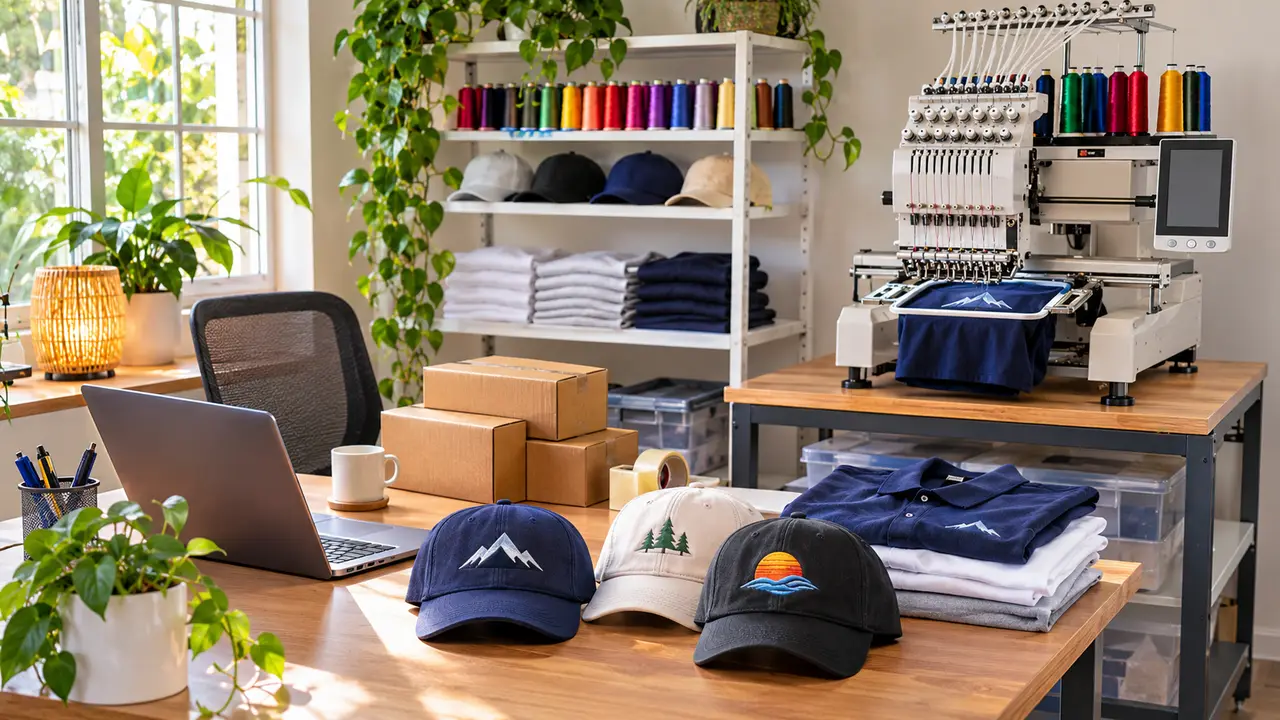
Turn a handwritten note, recipe or signature into a clean embroidery file: how to capture the writing, which stitch to use for each stroke width, minimum sizes, and why auto-digitizing struggles with handwriting.
Standard embroidery logo sizes for shirts, caps, sleeves, back neck, yoke, jacket backs, aprons, scrubs, totes, towels and beanies in one chart, plus how to choose a size between the ranges.

Step by step: which hats work on a flatbed home machine, three hooping methods (sticky stabilizer, flat hoop with pins, cap frame insert), design size limits, settings and the mistakes that ruin caps.

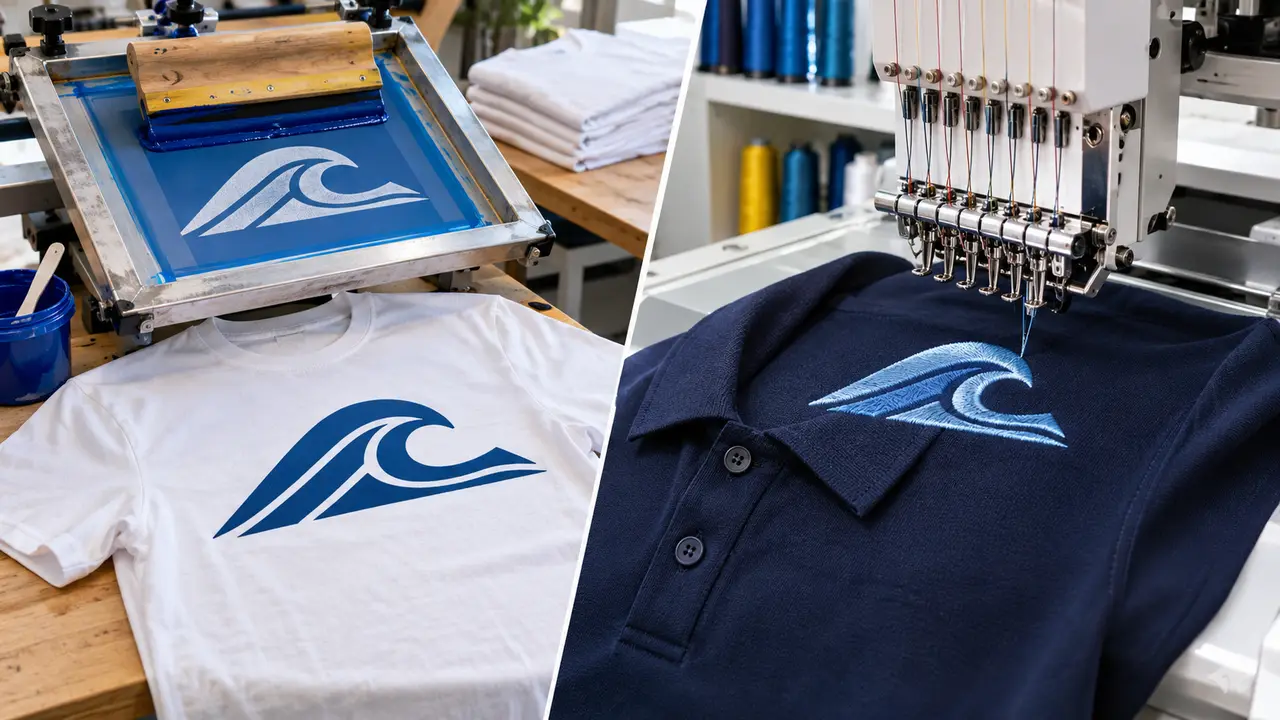
Thread or transfer? A practical comparison of embroidery and DTF printing on durability, detail, fabric, small runs and cost per piece, with a decision table and the combination many brands use.
Send your artwork and get a free quote within an hour. Every file is manually digitized and test-sewn before delivery.