Chain Stitch Embroidery vs Regular Machine Embroidery (Plus How to Chain Stitch by Hand)
Chain stitch makes the looped vintage lettering on workwear and varsity jackets. Here is how it differs from regular machine embroidery, and how to sew it by hand.

Embroidery Digitizing Studio
Commercial Digitizing Service
Need production-ready machine files? Explore our Chenille and Specialty Digitizing
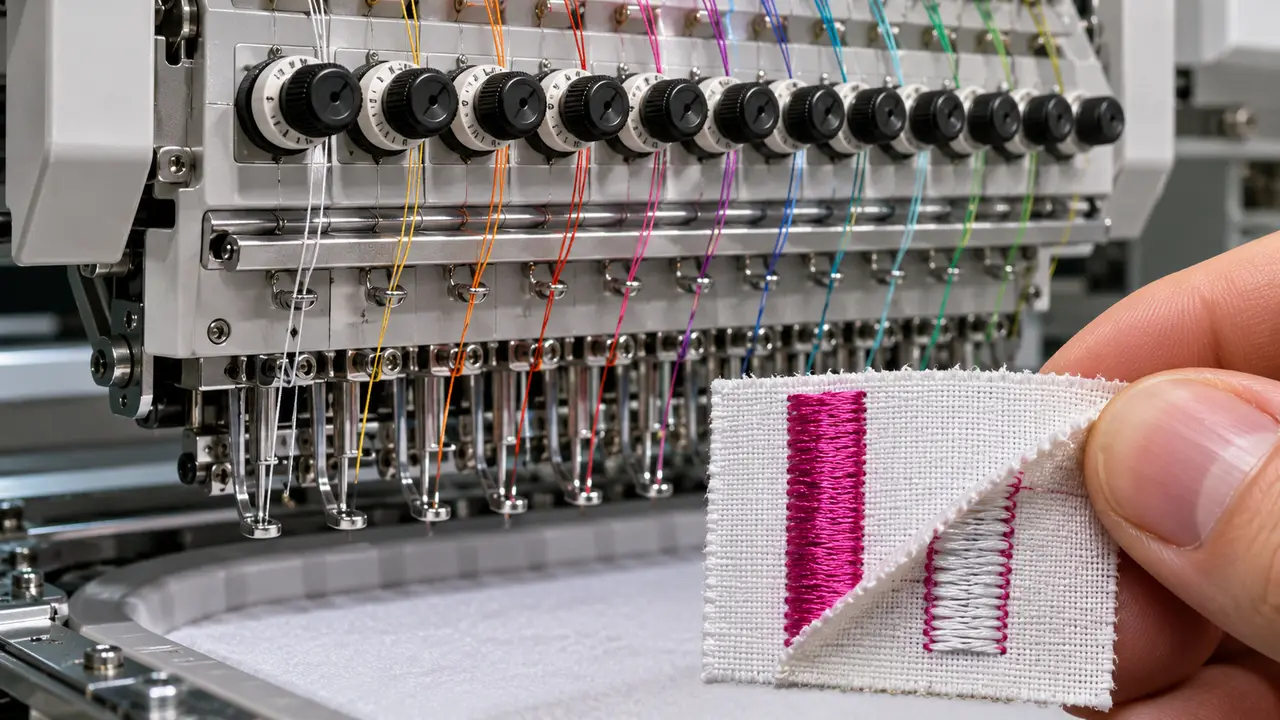
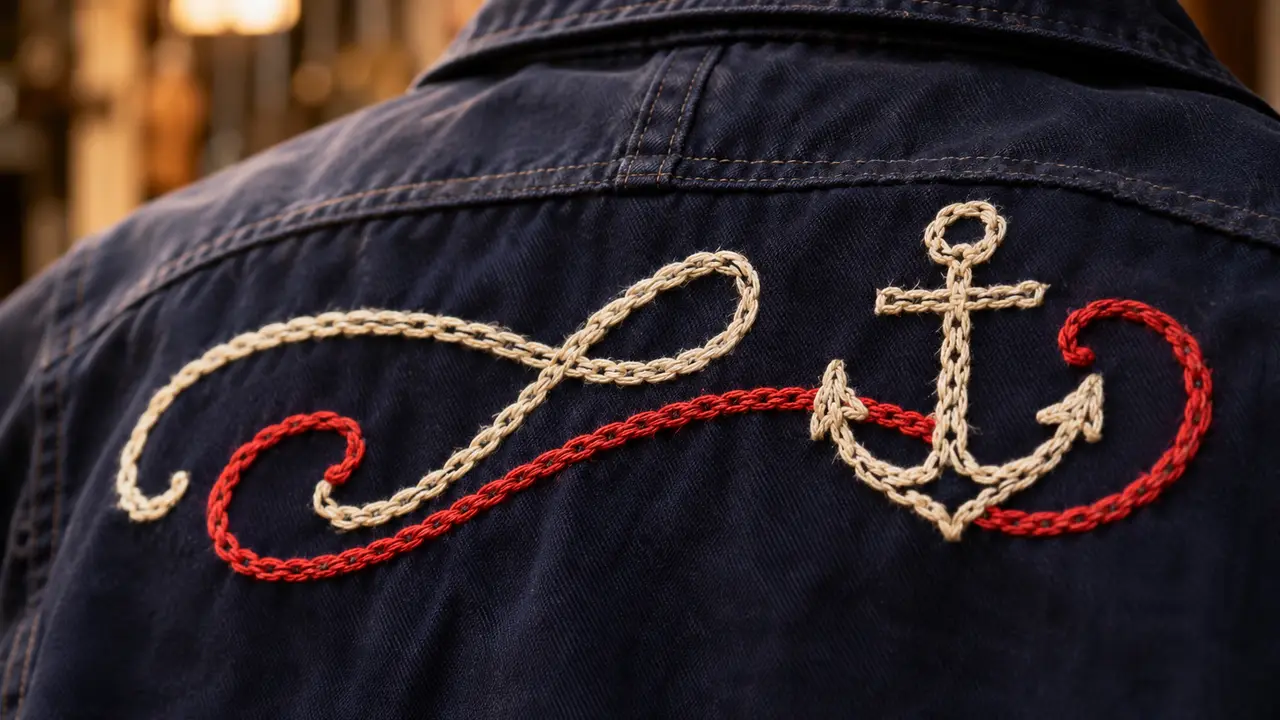
Chain stitch embroidery is made of linked loops that form a line like a chain, while regular machine embroidery is a lockstitch: a top thread and a bobbin thread lock together inside the fabric to form satin, fill and run stitches. A chain stitch embroidery machine forms its loops from below with a hook and a single thread, which gives the bold, slightly raised, hand-drawn lettering seen on vintage workwear and varsity jackets. By hand, you bring the needle back into the same hole and catch the loop before pulling through.
This guide covers hand chain stitch for crafters, chain stitch machines for shops and how designs are digitized for chain and chenille work. Our digitizing services include chenille and chain stitch files for compatible machines.
How to Do an Embroidery Chain Stitch by Hand
- 1Draw the line or letter on the fabric and hoop it.
- 2Bring the needle up at the start of the line.
- 3Insert the needle back into the same hole (or right beside it).
- 4Bring the tip up a short distance along the line, keeping the thread looped under the needle tip.
- 5Pull through gently to form the first loop.
- 6Insert the needle inside that loop, next to where the thread exits, and repeat.
- 7Finish with a small stitch over the last loop to anchor it.
Popular Hand Chain Stitch Variations
| Variation | Look | Use for |
|---|---|---|
| Basic chain stitch | A line of linked loops | Outlines, lettering, stems |
| Detached chain (lazy daisy) | Single loops tacked at the tip | Petals and leaves |
| Open chain | Wide, ladder-like loops | Borders and bands |
| Twisted chain | A textured, rope-like line | Raised outlines and stems |
| Whipped chain | A chain wrapped with a second thread | A bold, corded line |
| Chain stitch fill | Rows or spirals of chain stitch | Filling shapes and lettering |
How Chain Stitch Embroidery Machines Work
Unlike lockstitch machines, which join a top thread and a bobbin thread, chain stitch machines use a single thread and a hook below the fabric to form loops. Vintage hand-guided machines are steered by the operator with a handle under the table, which is why classic chainstitch has a hand-drawn quality. Modern computerized chenille machines run digitized files and can switch between chain stitch and chenille.
Where Chain Stitch Is Used
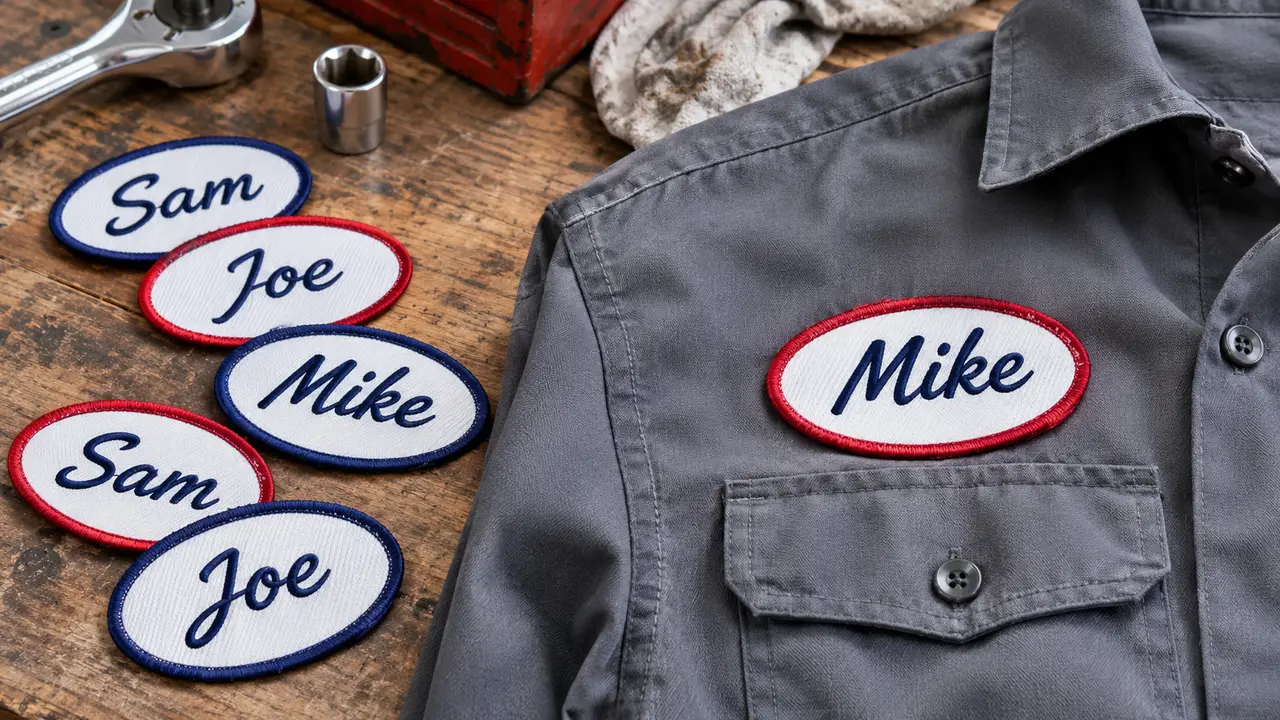
- Vintage-style script names on work shirts and jackets; see embroidered name patches.
- Varsity letters and chenille patches; see chenille and varsity patches.
- Western shirts, bowling shirts and denim jackets.
- Outlines around chenille fill and decorative borders.
Digitizing for Chain Stitch and Chenille
Chain stitch and chenille machines need files made specifically for them, with chain and moss stitch types, correct loop height and sequencing. A standard DST for a lockstitch machine will not produce chenille texture. For a chain-stitch look on a regular machine, a digitizer can use triple-run or bean stitch outlines and script lettering that mimics the style. See satin stitch and fill stitch guides for the stitch types regular machines use.
Chain Stitch Embroidery vs Regular Machine Embroidery
Regular machine embroidery means the lockstitch work of a standard single- or multi-needle machine: satin, fill and run stitches. A regular machine cannot form a true chain stitch, so a "chain look" on it is an imitation built from bean or triple-run outlines. Here is how the three compare:
| Chain stitch | Regular machine embroidery (satin) | Chenille | |
|---|---|---|---|
| Look | Looped line, vintage and hand-drawn | Smooth and shiny | Fluffy, raised loops |
| Machine | Chain stitch or chenille machine | Any embroidery machine | Chenille machine |
| Threads | One thread, looped from below | Top thread and bobbin | Thick yarn, looped from below |
| Lettering size | Medium to large script | Small text and up | Large letters and patches |
| Typical use | Script names on work shirts and jackets | Logos, lettering, borders | Varsity letters and patches |
| If a stitch is cut | A single-thread chain can unravel from a loose end unless it is locked off | Lockstitches stay in place | Loops can be pulled; the backing holds them |
Want the chain stitch look for your brand? Tell us your machine type and we will build the right file, chain stitch for chenille machines or a chain-style design for regular machines. See digitizing prices or contact us. For textured lettering on caps, also consider 3D puff.
Written by the Velora Digitizing Team
Digitizing StudioThis guide is written and reviewed by the digitizers at Velora Digitizing, who prepare embroidery files for caps, jackets, patches, and left chest logos every day. The advice here comes from the same stitch-path, underlay, and fabric choices we make on client orders.
Related service
Chenille and Specialty Digitizing