Embroidery vs DTF Printing: Durability, Cost and Which to Choose
Thread or transfer? A practical comparison of embroidery and DTF printing on durability, detail, fabric, small runs and cost per piece, with a decision table and the combination many brands use.
Embroidery Digitizing Studio
Commercial Digitizing Service
Need production-ready machine files? Explore our Custom Embroidery Digitizing
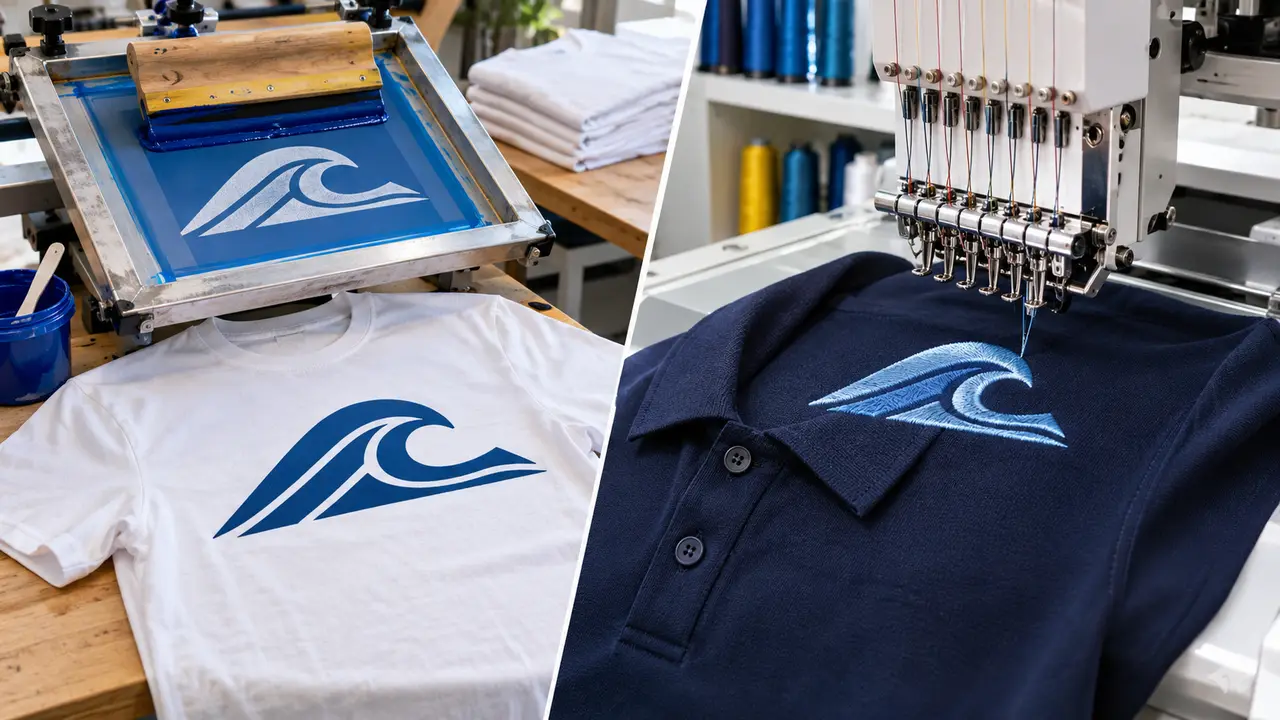
Embroidery vs DTF printing comes down to durability and look versus color and cost. Embroidery stitches thread into the garment, so it is the most durable option and looks premium on polos, caps and jackets, but it costs more for large designs and needs a digitized file. DTF (direct-to-film) presses a printed transfer onto the fabric, so it handles full color, photos and gradients cheaply with no minimums, but it can crack or fade after many washes and does not suit caps, fleece or textured fabrics as well.
This comparison covers how each method works, a side-by-side table, cost, fabrics and a decision checklist. If you are also weighing screen printing, see embroidery vs screen printing.
How each method works
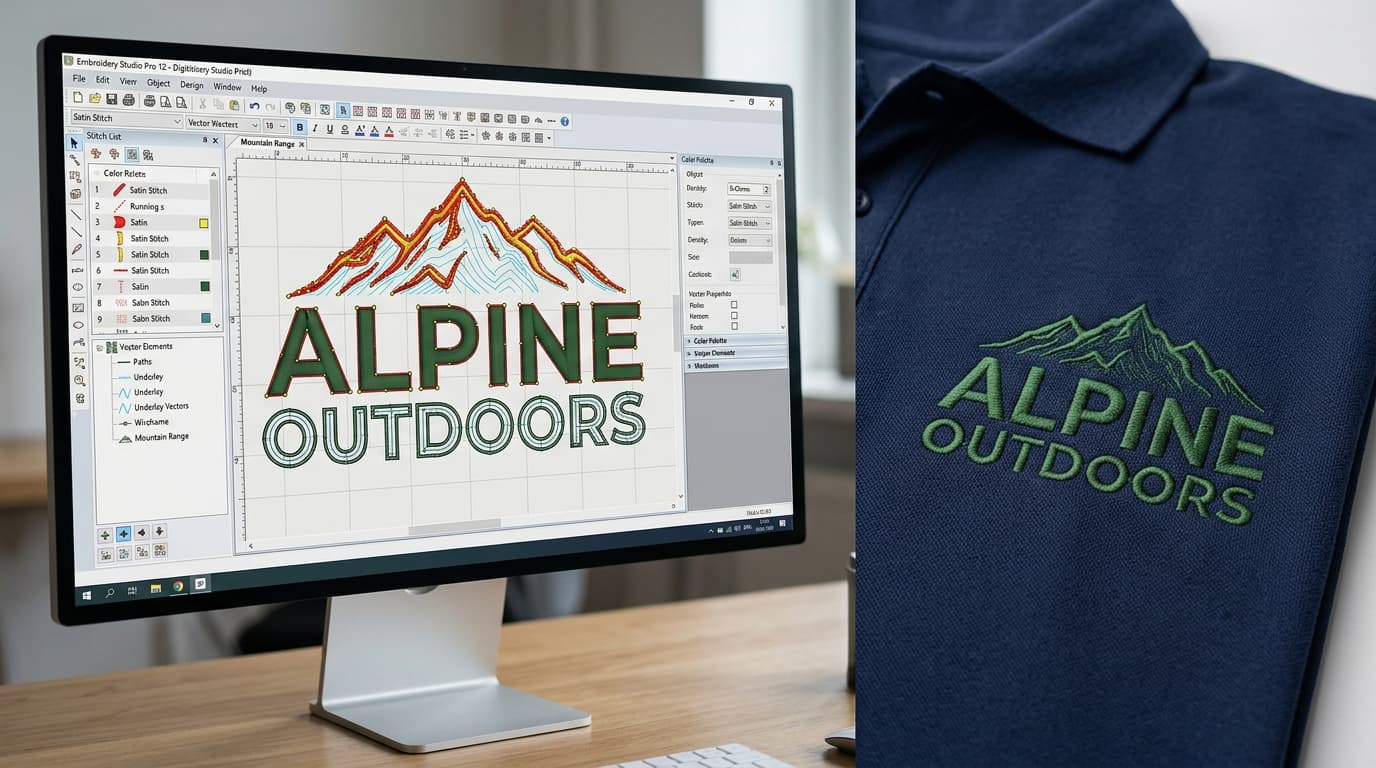
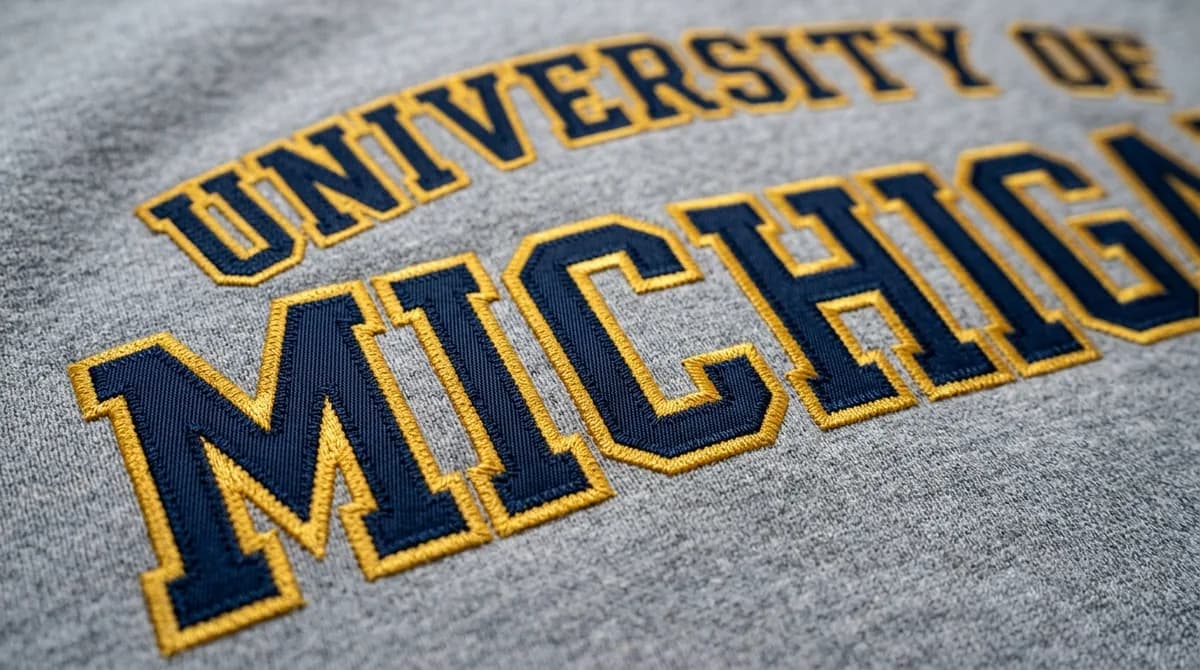
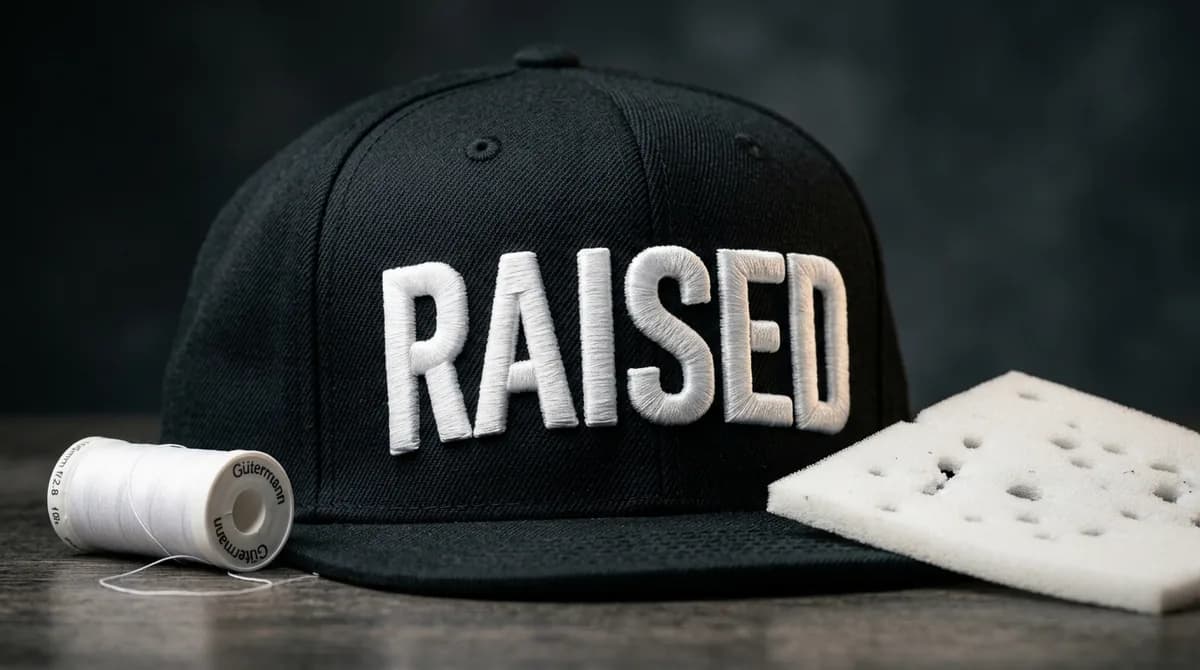
Embroidery: the logo is first digitized into a stitch file that tells the machine where every stitch goes. The machine then sews the design with polyester or rayon thread, usually with a stabilizer behind the fabric. The result is raised, textured and part of the garment. See what embroidery digitizing is for the file side.
DTF printing: the design is printed with pigment inks onto a PET film, covered with a hot-melt adhesive powder, cured, and then heat-pressed onto the garment. The film is peeled away and the ink and adhesive layer stays on the fabric. The result is flat, smooth and full color.
Embroidery vs DTF: side-by-side comparison
| Factor | Embroidery | DTF printing |
|---|---|---|
| Look | Raised, textured, premium | Flat, smooth, slightly glossy or matte film |
| Colors | Limited by thread colors; usually up to about 6-12 per design | Unlimited, including photos and gradients |
| Fine detail | Text needs to be at least about 0.25 in tall | Very fine lines and small text print cleanly |
| Durability | Usually outlasts the garment | Commonly rated for about 40-100 washes depending on quality and care |
| Feel | Thicker; heavy on large designs | Light on small prints; large prints feel like a plastic layer |
| Best fabrics | Pique polos, twill, caps, fleece, jackets, canvas | Cotton, polyester and blends with a flat surface |
| Large designs | Expensive; high stitch count | Cheap; size has little effect on setup |
| Setup | One-time digitizing file per design | No setup; print-ready artwork |
| Small runs (1-12 pieces) | Possible, but setup cost is spread over few pieces | Very cost-effective |
Cost: when each is cheaper
DTF pricing is mainly about print area: a full-back print costs more film and ink than a chest print, but there is no setup charge and colors do not change the price. Embroidery pricing is mainly about stitch count, which rises with the area of the design, plus a one-time digitizing file you can reuse on every future order.
| Job | Usually cheaper | Why |
|---|---|---|
| Small chest logo, 1-12 shirts | DTF | No digitizing; flat per-piece price |
| Small chest logo, 50+ polos reordered every year | Embroidery over time | Digitizing is paid once; each piece runs only a few thousand stitches |
| Full-color photo or gradient | DTF | Embroidery cannot match photo detail without very high stitch counts |
| Large back design on hoodies | DTF | A 10-12 in embroidered back can run 30,000+ stitches |
| Caps | Embroidery | Caps are curved and seamed; transfers bond poorly |
| Uniforms worn and washed daily | Embroidery over the garment's life | Fewer replacements due to worn prints |
To see how stitch count drives embroidery cost, use the stitch count calculator or read how much embroidery costs.
Durability and care
Embroidery thread is colorfast polyester or rayon locked into the fabric with a stabilizer behind it, so it does not crack or peel. The main risks are snagging on long satin stitches and puckering if the design was digitized too densely for the fabric. DTF durability depends on the film, the powder, the press time and temperature, and the care. A well-pressed DTF transfer washed inside out in cool water lasts a long time; one pressed too cool or dried on high heat can start to crack or lift at the edges.
Embroidery vs DTF by garment
| Garment | Recommended | Reason |
|---|---|---|
| Pique polo | Embroidery | The textured knit gives a transfer an uneven surface; thread sits well on it |
| Cotton T-shirt, full-color graphic | DTF | Light, flexible print with unlimited colors |
| Cotton T-shirt, small logo for staff | Either | Embroidery for a premium look; DTF for low cost on short runs |
| Structured cap | Embroidery | Curved, seamed front panel; the standard for caps |
| Hoodie | Embroidery on chest, DTF on back | Durable logo plus an affordable large graphic |
| Fleece or soft-shell jacket | Embroidery | Heat can mark or melt technical fabrics; thread bonds mechanically |
| Performance polyester tee | DTF (low-temperature) | Light fabric that puckers under dense stitching |
| Tote bag (canvas) | Either | Canvas takes both; embroidery lasts longer on bags carried daily |
Two caveats on this table. Embroidery on thin performance fabrics works if the file is digitized with lighter density and the decorator uses a cutaway stabilizer; see how to fix embroidery puckering. And DTF on fleece or nylon depends on the adhesive and press temperature, so ask the printer for a test piece before a full run.
How to judge quality in each method
- Embroidery: edges are crisp, satin stitches lie flat and even, small text is readable, the fabric around the logo does not pucker, and there are no loose jump threads. Most of this is decided by the digitizing file before the garment is ever sewn.
- DTF: colors are sharp with no white halo around the edges, the print stretches with the fabric without cracking, the edges are fully bonded, and the surface does not feel tacky. Most of this is decided by the film, powder and press settings.
When to choose embroidery, DTF or both
- Choose embroidery for polos, caps, jackets, fleece, workwear and anything that represents a brand every day.
- Choose DTF for full-color artwork, photos, one-off gifts, event tees and large prints on lightweight shirts.
- Combine them when you want a premium logo and a big graphic: an embroidered left chest or cap logo with a DTF print on the back. The two methods do not interfere with each other, and many decorators offer both on the same garment.
Ready to embroider your logo?
If embroidery is the right fit, the first step is a clean digitized file. Velora digitizes logos by hand for chest, cap, sleeve and jacket placements, delivered in your machine's format: $6.99 for up to 5,000 stitches (Basic, 24-48 hours), $12.99 for up to 15,000 stitches (Standard, 12-24 hours) and $19.99 for unlimited stitches (Rush, 2-4 hours). See pricing or start with embroidery digitizing services.
Written by the Velora Digitizing Team
Digitizing StudioThis guide is written and reviewed by the digitizers at Velora Digitizing, who prepare embroidery files for caps, jackets, patches, and left chest logos every day. The advice here comes from the same stitch-path, underlay, and fabric choices we make on client orders.
Related service
Custom Embroidery Digitizing