Single Needle vs Multi Needle Embroidery Machine: Differences, Cost and Which to Buy
Single-needle machines suit hobby work; multi-needle machines are built for logos, caps and repeat orders. Here is how they compare, what they cost and which to buy.

Embroidery Digitizing Studio
Commercial Digitizing Service
Need production-ready machine files? Explore our Embroidery Digitizing Services
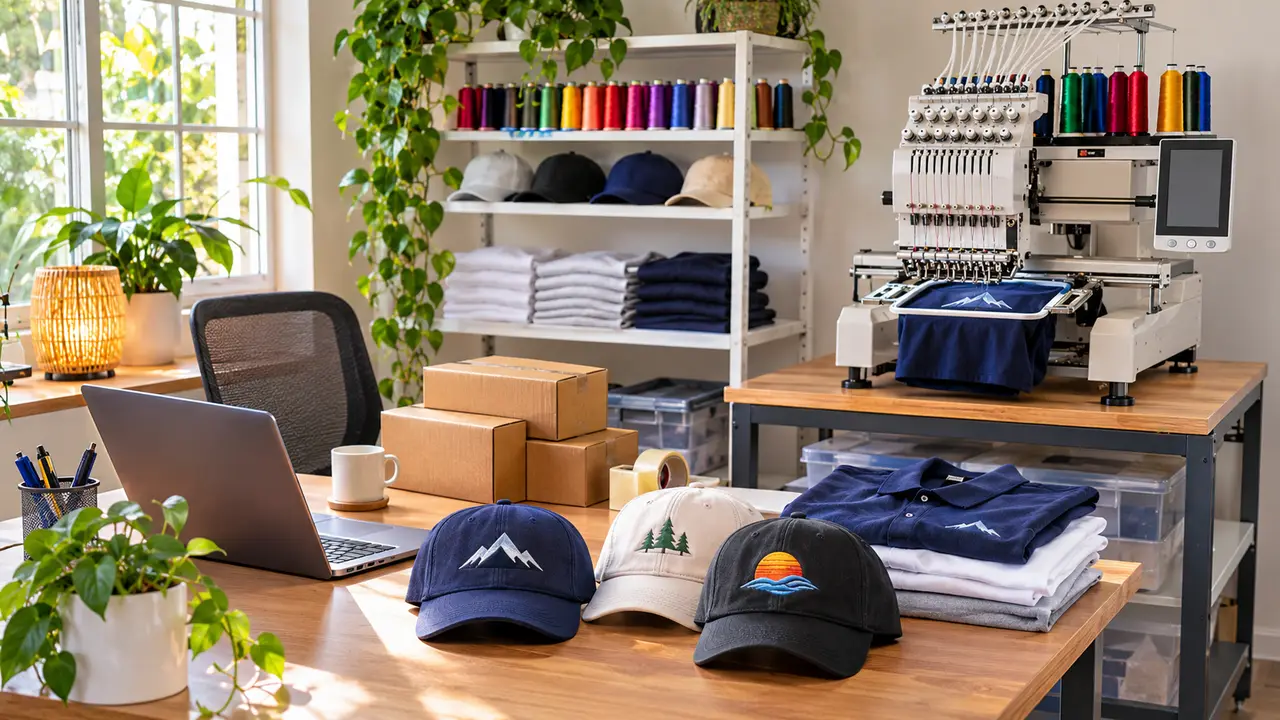
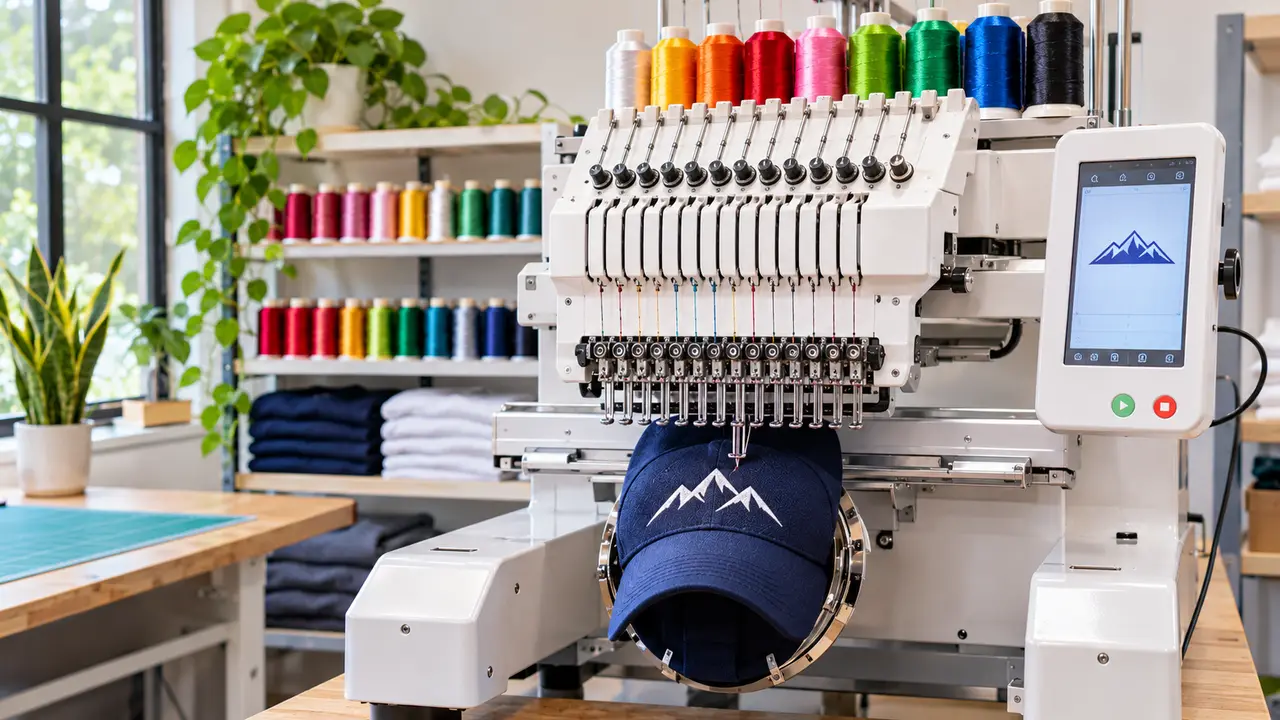
The difference between a single needle vs multi needle embroidery machine is mainly color changes and capacity. A single-needle machine has one needle, so it stops for you to rethread at every color. A multi-needle embroidery machine holds several threaded needles, usually 6 to 15, changes colors automatically, stitches faster and handles caps and finished garments on a tubular arm. For a small embroidery business doing logos and caps, it is usually the biggest productivity upgrade you can make.
This guide compares single and multi-needle machines, explains typical costs and lists what to check before buying. Whatever machine you choose, it is only as good as the files you run. Our embroidery digitizing services provide DST and other formats ready for production.
Single-Needle vs Multi-Needle Embroidery Machines
| Single-needle machine | Multi-needle machine | |
|---|---|---|
| Needles | 1 | Usually 6 to 15 |
| Color changes | Stops for a manual rethread at every color | Automatic |
| Hooping | Flat bed | Free arm for tubular hooping of shirts, sleeves and bags |
| Caps | Limited or not supported | Cap frame available on most models |
| Top speed | Roughly 400 to 1,000 stitches per minute | Roughly 1,000 to 1,200 stitches per minute |
| Largest sewing field | From 100 x 100 mm up to about 240 x 360 mm | Commonly 200 x 300 mm up to about 360 x 500 mm |
| Price | A few hundred to a few thousand dollars | Roughly $5,000 to $20,000 for a single-head machine |
| Best for | Hobby work, names and one-off gifts | Logos, caps and repeat orders |
- Color changes: single-needle machines stop for every color; multi-needle machines switch automatically.
- Hooping: single-needle machines use a flat bed; multi-needle machines usually have a free arm for tubular hooping of shirts, sleeves and bags.
- Caps: multi-needle machines commonly support a cap frame; many single-needle machines do not handle structured caps well.
- Speed: multi-needle machines are built for longer runs at production speeds.
- Cost and space: single-needle machines are cheaper and smaller; multi-needle machines cost more and need a sturdy table.
How Many Needles Do You Need?
| Needle count | Suits | Limit |
|---|---|---|
| 6 to 7 | Simple logos and a new small business | Designs with more colors need a rethread mid-run |
| 10 to 12 | Most multi-color logos | Rarely a limit for corporate work |
| 15 or more | Keeping common colors loaded permanently; complex designs | Higher price and more thread to stock |
- 6 to 7 needles: a solid start for simple logos and small businesses.
- 10 to 12 needles: covers most multi-color logos without rethreading mid-design.
- 15 needles or more: lets you keep common colors loaded permanently and run complex designs with fewer thread swaps.
How Much Does an Embroidery Machine Cost?
Prices change often and vary by dealer and package, so treat these as rough ranges:
- Single-needle home embroidery machines: from a few hundred to a few thousand dollars.
- Single-head multi-needle machines: commonly several thousand dollars and up, depending on needle count, sewing field and included accessories.
- Multi-head commercial machines: significantly more, aimed at high-volume production.
- Extra costs: cap frame, extra hoops, stabilizer, thread, needles, software, training and maintenance.
When you budget, include the cost of digitized files for each customer logo. See our guides on embroidery digitizing cost and how much embroidery costs per piece to plan your own pricing.
What to Check Before Buying a Multi-Needle Machine
- 1Sewing field: the largest design it can stitch. Compare it with your typical jobs using our embroidery hoop sizes chart.
- 2Cap frame: included or optional, and how wide a cap design it can stitch.
- 3File formats: most commercial machines read DST. See DST vs PES vs JEF.
- 4Needle system and parts: availability of needles, hooks and spare parts. See our machine embroidery needle guide.
- 5Dealer support and training: local service matters more than any single feature.
- 6Software: whether you need editing or full digitizing software. Compare options in Wilcom vs Hatch vs PE-Design.
What a Multi-Needle Machine Lets You Sell
- Caps and hats: front, side and back logos, plus 3D puff designs.
- Corporate polos and workwear: left chest logos; see the polo shirts for embroidery guide.
- Hoodies and jackets: chest and jacket back designs.
- Beanies, bags and towels: with the right hoops; see the beanie guide.
- Patches and applique: see custom patch digitizing and applique digitizing.
Setting Up Your First Multi-Needle Machine
- 1Place it on a sturdy, level table. Vibration at production speed causes registration problems and noise.
- 2Assign a fixed color to each needle. Keeping black, white, red, navy and other common colors loaded saves rethreading on most jobs.
- 3Load a test design. Stitch a simple multi-color sample on scrap fabric to check tension on every needle.
- 4Check thread tension needle by needle. On the back of a satin column, roughly one third of the width should show bobbin thread.
- 5Practice tubular hooping. Hoop polos, T-shirts and sleeves on the free arm until placement is consistent.
- 6Learn the cap frame last. Caps need careful centering and a cap-specific file; start with simple flat designs.
Daily and Weekly Maintenance Basics
- Clean lint from the hook area and under the needle plate regularly; lint buildup causes thread breaks and tension changes.
- Oil the rotary hook as your manual recommends. Many commercial machines need a small drop daily.
- Replace needles on a schedule and after any needle strike.
- Check bobbins for consistent winding and tension, especially after changing bobbin brands.
- Keep a log of service, needle changes and recurring problems so a technician can diagnose issues quickly.
Getting the Most From a New Machine
New owners often blame the machine for problems that come from the file, the stabilizer or the needle. Start with well-digitized files, the right backing and fresh needles. Our guides on stabilizers, thread weight and puckering and thread breaks cover the basics.
If you would rather spend your time running the machine than digitizing, we can supply production-ready files in your machine format. See digitizing prices or send your first logo.
Buying your first machine for a business? See how to start an embroidery business, and keep stitches balanced with the thread tension guide.
Written by the Velora Digitizing Team
Digitizing StudioThis guide is written and reviewed by the digitizers at Velora Digitizing, who prepare embroidery files for caps, jackets, patches, and left chest logos every day. The advice here comes from the same stitch-path, underlay, and fabric choices we make on client orders.
Related service
Embroidery Digitizing Services